




Collectie: Biologische Boters

Gratis verzending binnen het Verenigd Koninkrijk

Verzending op dezelfde dag*
Gerelateerde collecties
-
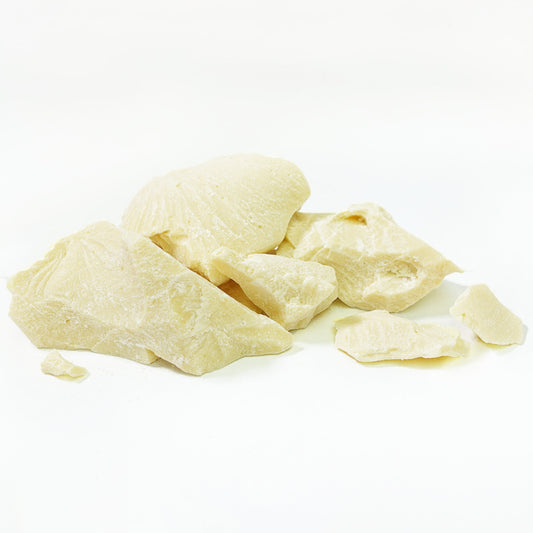
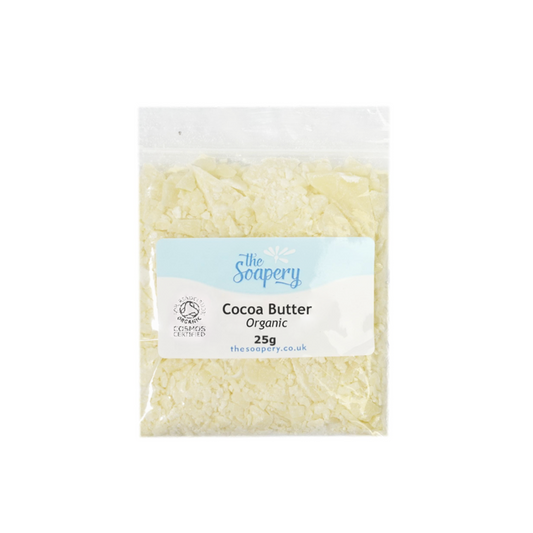
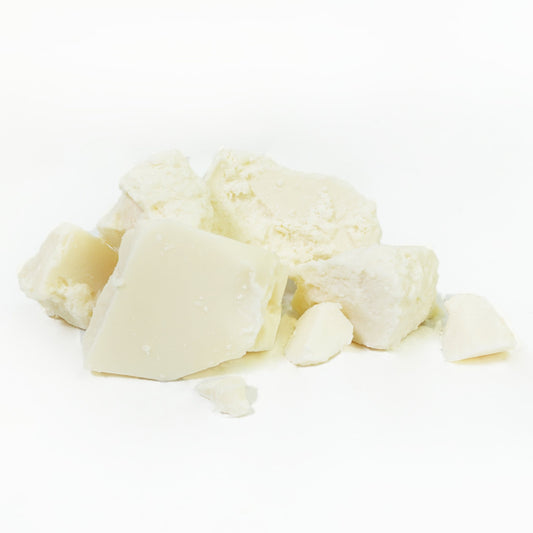
Cacaoboter Biologisch Rauw Ongefilterd
Cacaoboter Biologisch Rauw Ongefilterd
- Normale prijs
- Vanaf €5,95
- Aanbiedingsprijs
- Vanaf €5,95
- Normale prijs
-
-
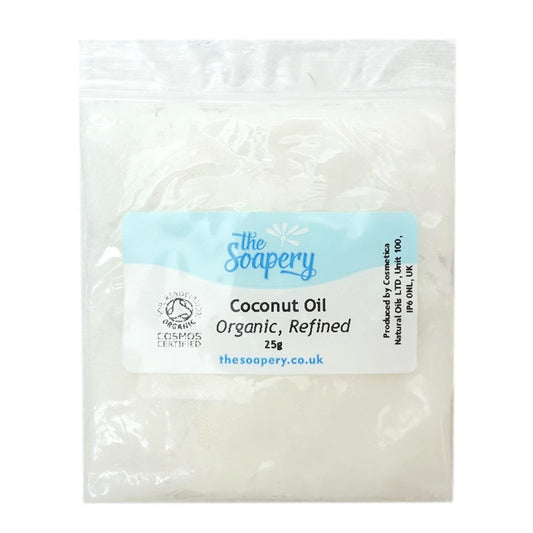
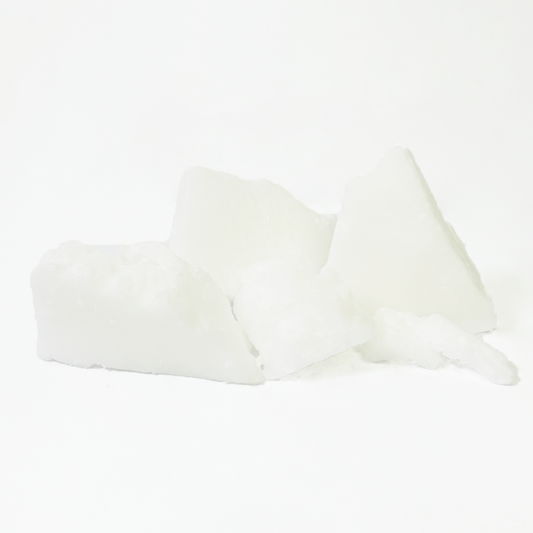
Kokosolie - Biologisch Geraffineerd
Kokosolie - Biologisch Geraffineerd
- Normale prijs
- Vanaf €3,95
- Aanbiedingsprijs
- Vanaf €3,95
- Normale prijs
-
-
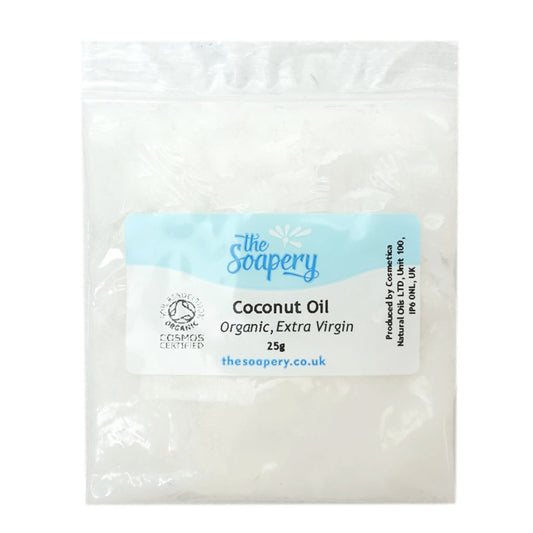
Kokosolie - Biologisch, Extra Vierge, Koudgeperst
Kokosolie - Biologisch, Extra Vierge, Koudgeperst
- Normale prijs
- Vanaf €3,95
- Aanbiedingsprijs
- Vanaf €3,95
- Normale prijs
-
-
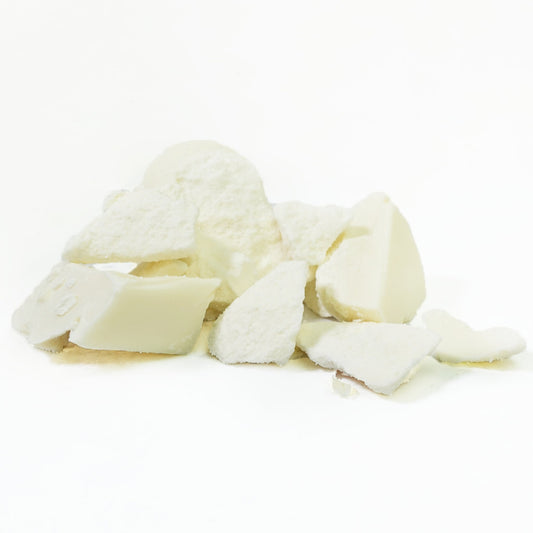
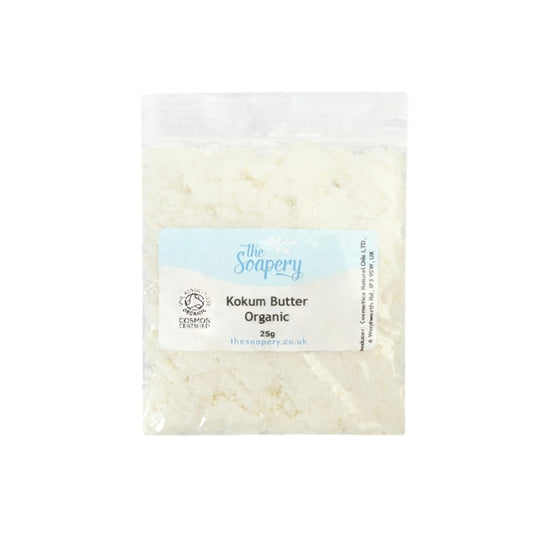
Kokumboter – Biologisch
-
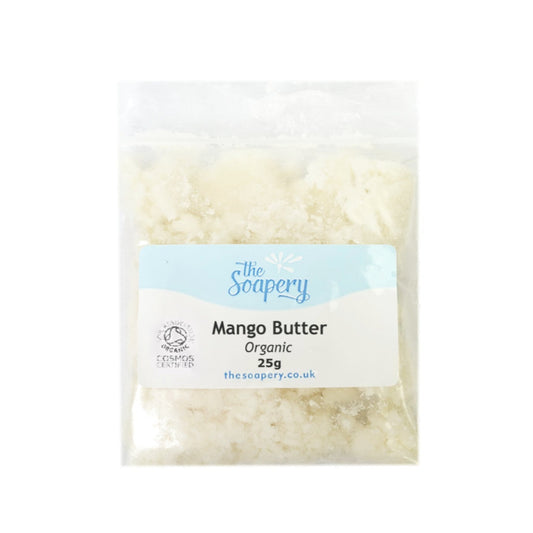
Mangoboter – Biologisch
-
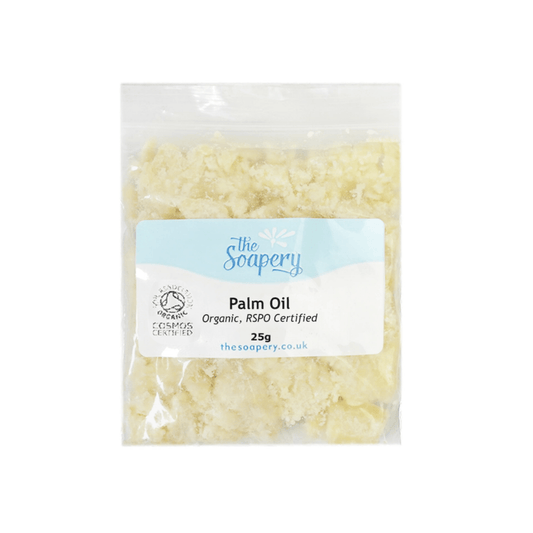
Geraffineerde biologische RSPO palmolie
Geraffineerde biologische RSPO palmolie
- Normale prijs
- Vanaf €4,95
- Aanbiedingsprijs
- Vanaf €4,95
- Normale prijs
-
-
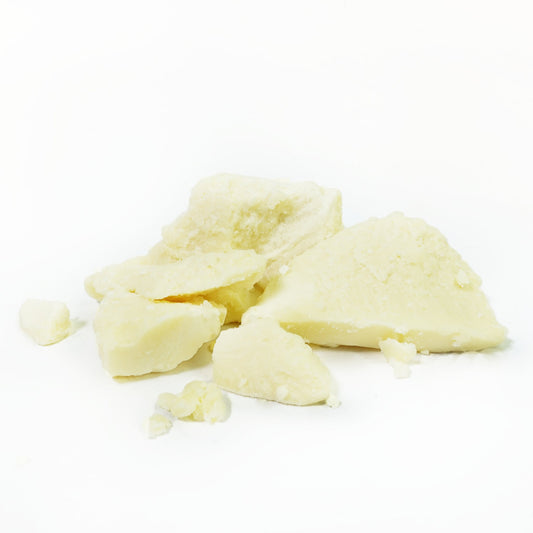
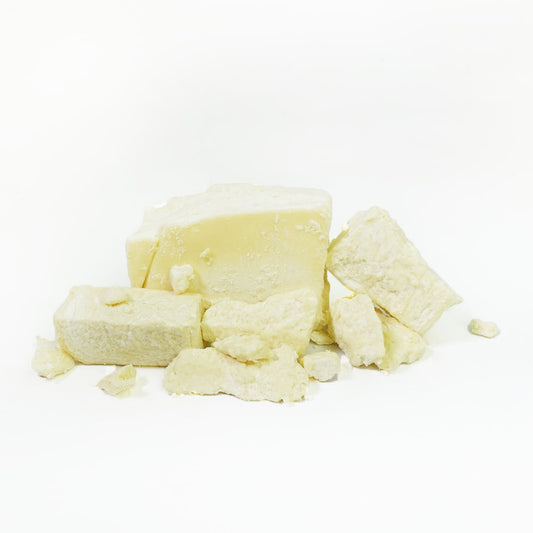
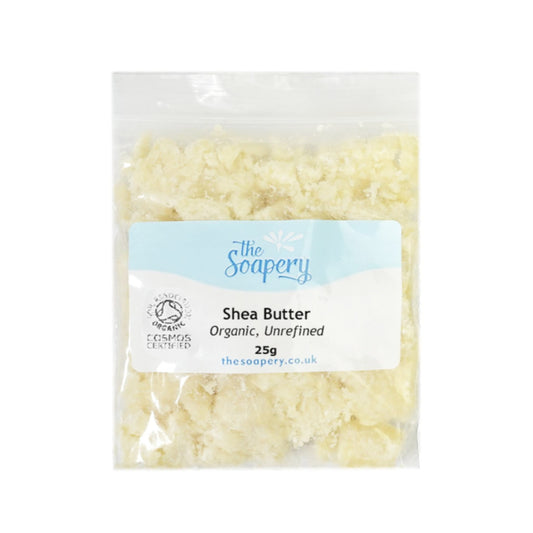
Karitéboter Afrikaans, Biologisch, Ongeraffineerd, Puur
Karitéboter Afrikaans, Biologisch, Ongeraffineerd, Puur
- Normale prijs
- Vanaf €4,95
- Aanbiedingsprijs
- Vanaf €4,95
- Normale prijs
-
Gerelateerde collecties
Waarom kiezen voor The Soapery?
-

Gratis verzending binnen het Verenigd Koninkrijk
Haal je ingrediënten snel in huis zonder extra kosten.
-

Verzending op dezelfde dag*
Bestel vóór 15.00 uur om uw pakket direct te laten verzenden.
-

Lage prijzen
Geen glanzende marketing of valse beloftes betekent grote besparingen.
-

Ethische leveranciers
Geen bedenkingen hier. Onze ingrediënten zijn ethisch en duurzaam verkregen.
Over Biologische Boters
Maak van onze 100% biologische bad- en lichaamsboters het middelpunt van uw volgende creatie. Of u nu een zeepachtige storm creëert of experimenteert met uw volgende partij volledig natuurlijke cosmetica, onze online collectie - van mango, cacao en shea tot kokosnoot en duurzame palm - heeft de perfecte biologische boter voor u. Winkel vandaag nog bij The Soapery voor eerlijke prijzen en gratis, snelle levering!
Meer informatie over biologische butters
Biologische butters zijn de ultieme must-have voor huidverzorging.
Glad, smeerbaar en boordevol huidverzorgende ingrediënten: de zorgvuldig geselecteerde collectie vaste butters voor zeep en cosmetica van The Soapery vormt de perfecte basis of hydraterende toevoeging voor alles, van bodylotions tot zeepblokken.
Onze biologische butters worden duurzaam geteeld en geoogst in overeenstemming met de strenge voorschriften van The Soil Association en beginnen hun leven op natuurlijke wijze - of het nu in de vorm van zaden, noten of vruchten is. Het eindproduct? Een heerlijk romige reeks volledig natuurlijke vetten.
Van op contact smeltende kokosolie tot stevige cacao, cosmetische butters worden door makers over de hele wereld gebruikt in alles, van koudproceszeep tot bodybutters, lotions, lippenbalsems en meer. Waarom zou u niet beginnen en ontdekken wat u vandaag zou kunnen maken?
Wat zijn biologische butters?
Butters zijn een rijk ingrediënt dat wordt gebruikt in cosmetica en zeep maken. Geoogst uit natuurlijke bronnen, waaronder bonen, noten en bomen, zijn deze huidverzachtende toevoegingen aan crèmes, lotions en meer samengesteld uit - naast andere natuurlijke elementen - vetten en vetzuren.
Biologische butters in het bijzonder brengen een hele reeks extra voordelen met zich mee. Geteeld, geoogst en gedistribueerd in overeenstemming met de hoogste milieu- en ethische normen van The Soil Association, helpen onze gecertificeerde butters het milieu (inclusief bodems, ecosystemen, dieren en mensen) te beschermen en in stand te houden.
Dankzij hun vaste aard - variërend van zacht en smeerbaar tot glad en stevig - geven butters makers zoals u volledige controle over de consistentie. Of u nu op zoek bent naar een op de huid smeltend lotioningrediënt of een betrouwbare basis voor uw koudproceszeep, u vindt het hier.
Hoe gebruik je biologische butters?
Elk van onze biologische butters is uniek - met structuren, kleuren en natuurlijke eigenschappen in overvloed!
Met populaire toepassingen over de hele linie, waaronder alles van bodybutters, lippenbalsems en lotions tot zowel koud- als warmproceszeep, is er bijna geen einde aan de lijst van boter-vriendelijke zeep- en cosmeticarecepten! Onze duurzaam geproduceerde palmolie wordt bijvoorbeeld vaak gebruikt bij het maken van zeep dankzij de gemakkelijke verzeping en het hoge palmitinezuurgehalte - het voegt hardheid toe aan zeepblokken en een lange levensduur aan schuim, terwijl onze vitaminerijke ongeraffineerde sheaboter een geweldige aanvulling is op bodybutter, haarbehandelingen, lippenbalsems en meer!
Onze butters zijn over het algemeen veilig voor de huid - de zachtste smelten bij contact. Sommige zijn iets steviger en moeten vooraf worden gesmolten. Zorg ervoor dat u meer te weten komt over de individuele toepassingen van onze biologische butters in hun productbeschrijvingen.
De voordelen van biologische butters
Biologische butters zijn in wezen natuurlijke vaste vetten. Hun watervrije samenstelling houdt ze stevig op kamertemperatuur - maar zorgt ervoor dat ze in de huid kunnen smelten, waardoor sommige een perfect vet (of superfat) zijn voor zeepstaven, en andere een geweldige toevoeging aan opgeklopte bodybutters, lotions en lippenbalsems.
Rijk aan vetzuren, elk botertype heeft een scala aan voordelen - van vochtvasthoudende eigenschappen tot ontstekingsremmende eigenschappen. Over het algemeen zijn deze natuurlijke ingrediënten essentieel om de huid in goede conditie te houden.
De biologische certificeringen van onze butters garanderen ook dat uw zeep- en cosmeticacreaties vriendelijk zijn voor zowel mens als planeet. Door de overstap te maken, zorgt u ervoor dat uw ingrediënten op de meest duurzame manier worden geteeld en geoogst - zonder GGO's of pesticiden in het proces!
De Zeepmakerij Blog
Onze favoriete huidverzorgingsrecepten


WAT KLANTEN ZEGGEN
We Waarderen Elk van Onze Klanten
Accreditaties/Prijzen
We zetten ons in om een uitgebreid assortiment van volledig natuurlijke, biologische producten aan te bieden die gecertificeerd zijn door The Soil Association, en we zijn er trots op dat we ons steentje bijdragen aan de wereld om ons heen.
Net als de meeste ingrediënten worden de oliën, boters, poeders en decoraties in uw handgemaakte producten geteeld of gewonnen uit de natuurlijke wereld. De producten die door de Soil Association als biologisch zijn gecertificeerd, zijn geteeld, geproduceerd en geoogst in overeenstemming met strenge voorschriften die zijn opgesteld om het milieu, inclusief bodems, ecosystemen, dieren en mensen, te beschermen en in stand te houden.

Biologische Boters Kopen: Veelgestelde vragen
Kunt u de antwoorden die u zoekt niet vinden? Neem dan contact op met ons vriendelijke team via ons contactformulier of via sociale media. We helpen u graag verder.
What is the difference between solid oils and butters?
Which types of butter are best for soap making?
What does shea butter smell like?
Where to buy butters for soap making?
What's the difference between refined and unrefined cosmetic butters?
Does cocoa butter smell like chocolate?
What is The Soil Association?
How can I tell if a butter has gone off?
Is mango butter better than cocoa butter?
What is RSPO Palm Oil?
Word lid van onze maker community

Meld u aan voor onze nieuwsbrief
