Collectie: Cosmetische en Kaarsenwassen

Gratis verzending binnen het Verenigd Koninkrijk

Verzending op dezelfde dag*

12 producten

Filteren en sorteren

Toont 12 van 12 producten

  • Bijenwas - Wit

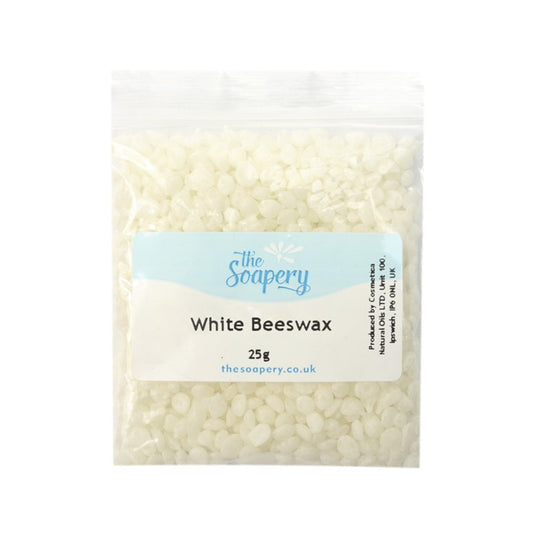
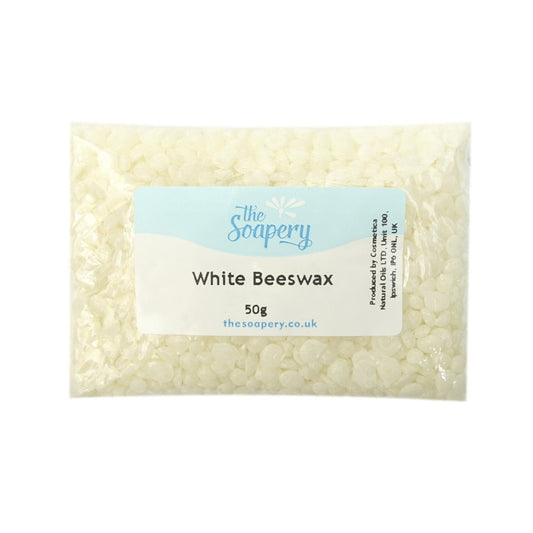
    Bijenwas - Wit

    Normale prijs
    Vanaf €4,95
    Aanbiedingsprijs
    Vanaf €4,95
    Normale prijs
  • Bijenwas - Geel

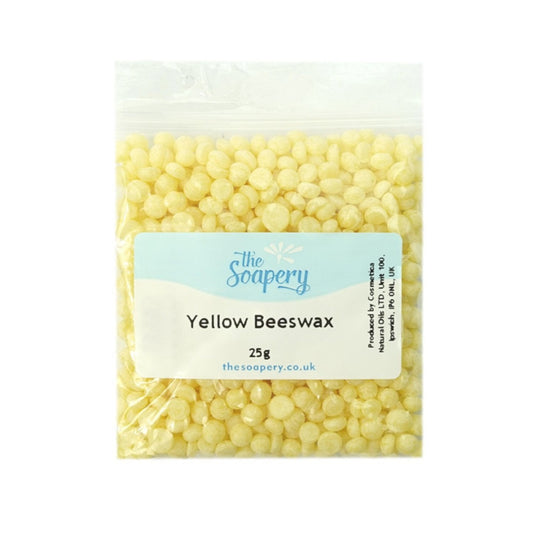
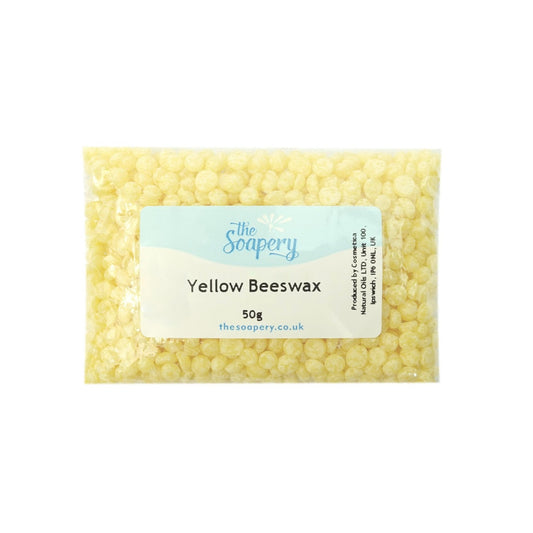
    Bijenwas - Geel

    Normale prijs
    Vanaf €4,95
    Aanbiedingsprijs
    Vanaf €4,95
    Normale prijs
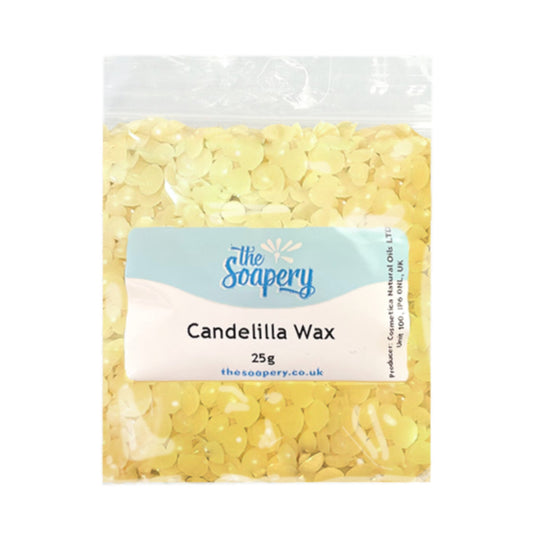
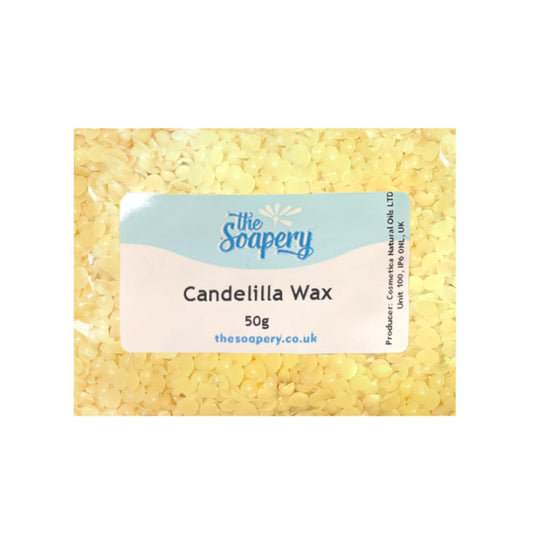
  • Candelillawas

    Candelillawas

    Normale prijs
    Vanaf €4,95
    Aanbiedingsprijs
    Vanaf €4,95
    Normale prijs
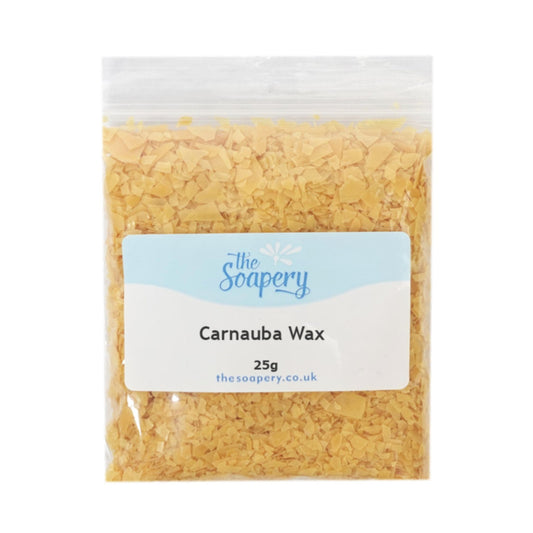
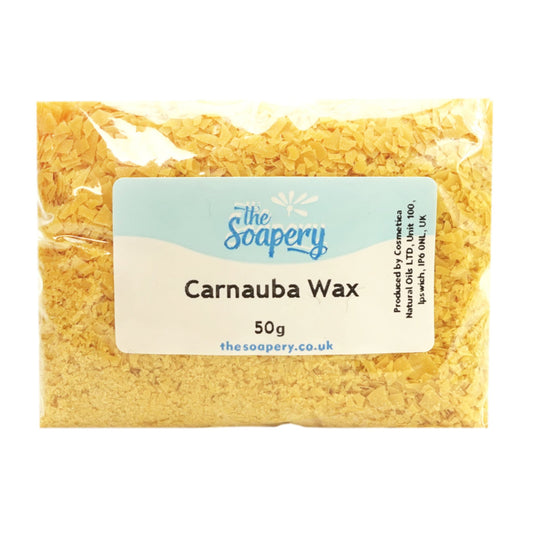
  • Carnaubawas

    Carnaubawas

    Normale prijs
    Vanaf €4,95
    Aanbiedingsprijs
    Vanaf €4,95
    Normale prijs
  • Emulgerende Was

    Emulgerende Was

    Normale prijs
    Vanaf €4,95
    Aanbiedingsprijs
    Vanaf €4,95
    Normale prijs
  • Emulgerende Was SLS-vrij

    Emulgerende Was SLS-vrij

    Normale prijs
    Vanaf €4,95
    Aanbiedingsprijs
    Vanaf €4,95
    Normale prijs
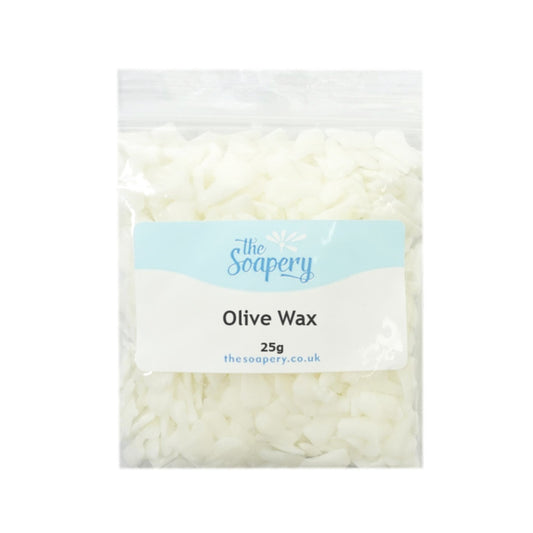
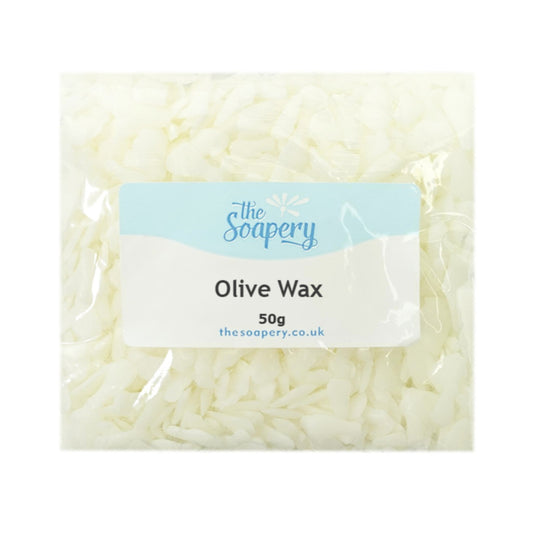
  • Olijfwas

    Olijfwas

    Normale prijs
    Vanaf €4,95
    Aanbiedingsprijs
    Vanaf €4,95
    Normale prijs
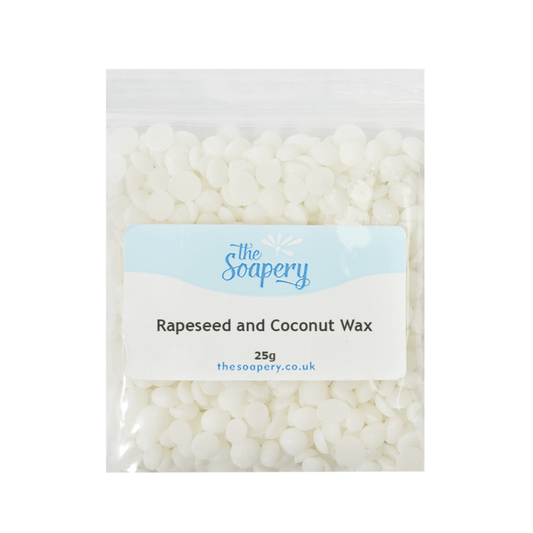
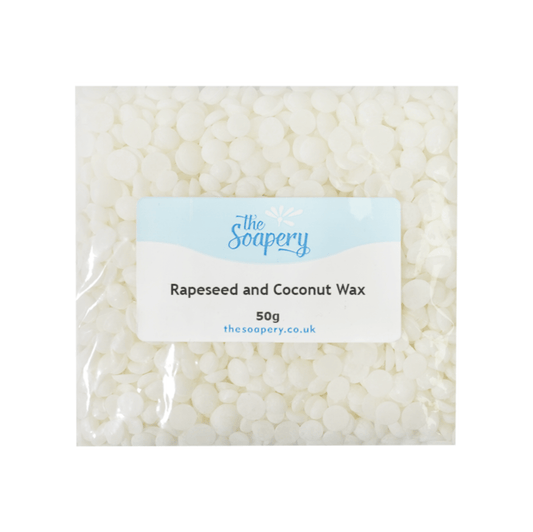
  • Koolzaad- en kokoswas

    Koolzaad- en kokoswas

    Normale prijs
    Vanaf €3,95
    Aanbiedingsprijs
    Vanaf €3,95
    Normale prijs
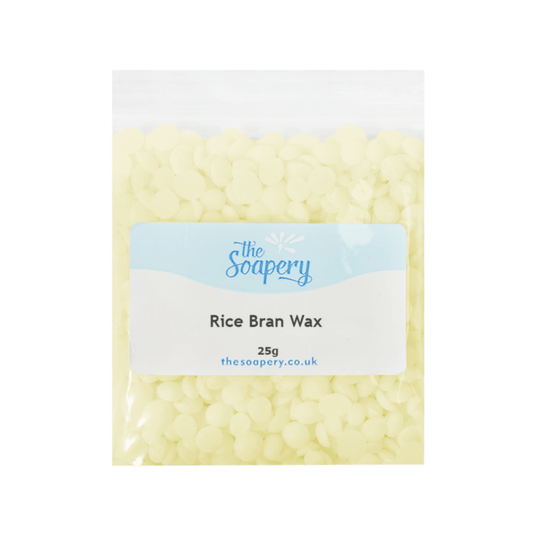
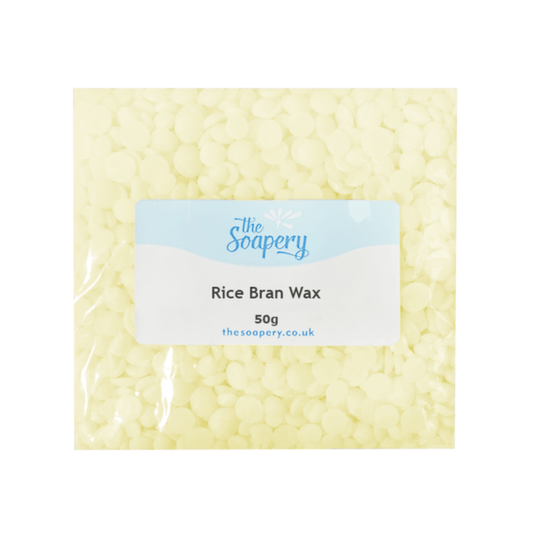
  • Rijstzemelenwas

    Rijstzemelenwas

    Normale prijs
    Vanaf €5,95
    Aanbiedingsprijs
    Vanaf €5,95
    Normale prijs
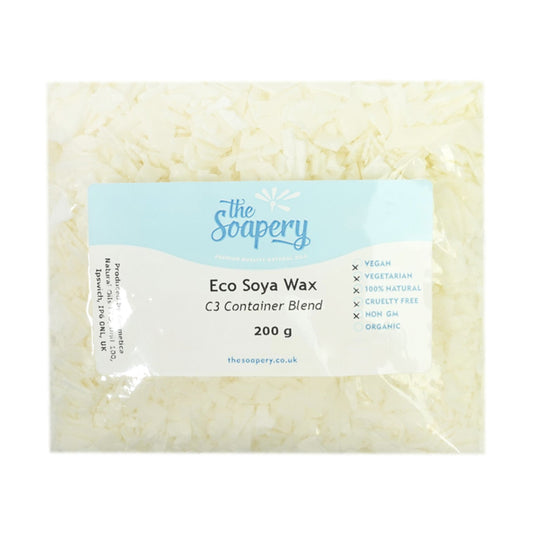
  • Soja Was - Container Blend C3

    Soja Was - Container Blend C3

    Normale prijs
    Vanaf €4,95
    Aanbiedingsprijs
    Vanaf €4,95
    Normale prijs
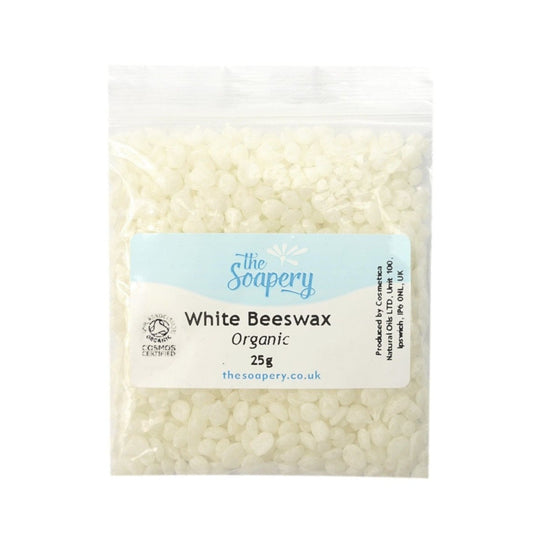
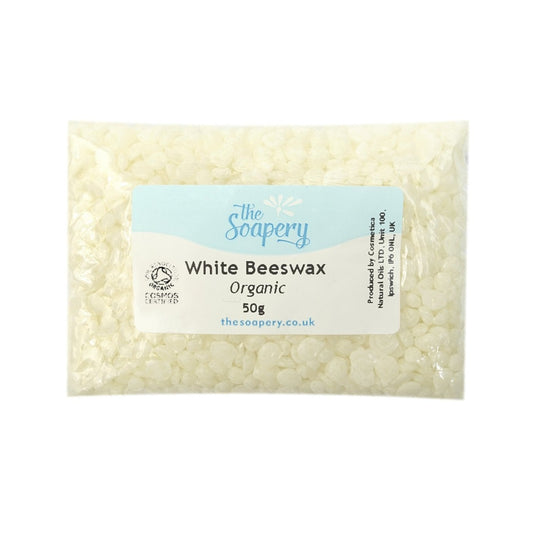
  • Witte Bijenwas - Biologisch

    Witte Bijenwas - Biologisch

    Normale prijs
    Vanaf €5,95
    Aanbiedingsprijs
    Vanaf €5,95
    Normale prijs
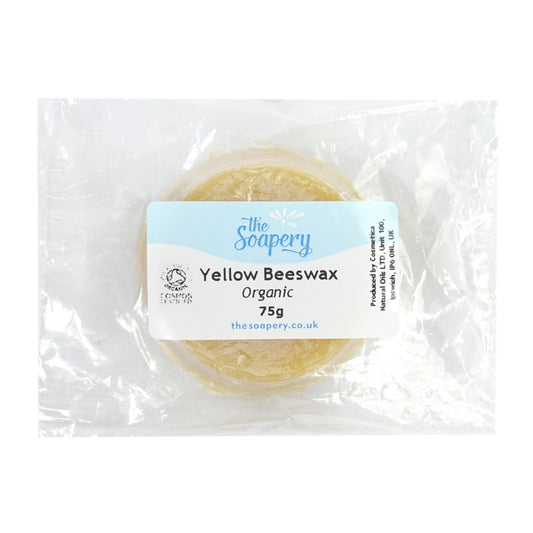
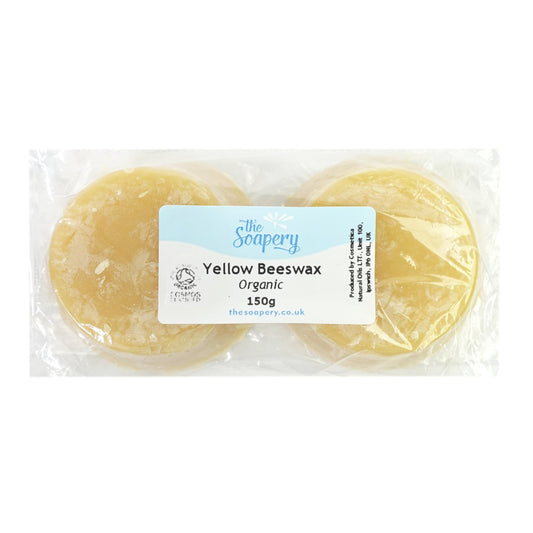
  • Gele Bijenwas - Biologisch

    Gele Bijenwas - Biologisch

    Normale prijs
    Vanaf €8,95
    Aanbiedingsprijs
    Vanaf €8,95
    Normale prijs

Waarom kiezen voor The Soapery?

  • Gratis verzending binnen het Verenigd Koninkrijk

    Haal je ingrediënten snel in huis zonder extra kosten.

  • Verzending op dezelfde dag*

    Bestel vóór 15.00 uur om uw pakket direct te laten verzenden.

  • Lage prijzen

    Geen glanzende marketing of valse beloftes betekent grote besparingen.

  • Ethische leveranciers

    Geen bedenkingen hier. Onze ingrediënten zijn ethisch en duurzaam verkregen.

Over Cosmetische en Kaarsenwassen

Word creatief met kaarsen, cosmetica en waxmelts. Onze wachsencollectie is echt fantastisch! Of je nu een potkaars maakt of je verdiept in haarwax, lippenbalsem, moisturizers en meer, wij hebben precies wat je zoekt. Koop vandaag nog online onze kaarsenwas, bijenwas en ecologische sojawas.

Meer informatie over cosmetische en kaarsenwassen

De ultieme hoeksteen van kaarsen maken. Een onontdekt huidverzorgingsgeheim. Wassen zijn de heilige graal voor makers.

Dit eeuwenoude ingrediënt, te vinden in productiestations over de hele wereld, biedt een ongeëvenaarde veelzijdigheid en speelt een belangrijke rol in alles, van kandelaars tot waxmelts.

Onze cosmetica- en kaarsenwassen, zorgvuldig geselecteerd door ons team van productie-experts op hun kwaliteit, zijn een perfecte keuze voor elk handgemaakt recept.

Wat zijn cosmetische en kaarsenwassen?

Ga aan de slag met kaarsenwassen - een perfecte verbinding van koolwaterstoffen en vetzuren. Deze harsachtige ingrediënten worden gebruikt om cosmetica en kaarsen de structuur en stabiliteit te geven die ze nodig hebben - naast een bonus glanzende afwerking!

Van natuurlijke sojawas voor kaarsen tot plantaardige wassen zoals olijfwas voor cosmetica, er is een hele reeks wassen beschikbaar. Enkele van de meest populaire onder onze productiegemeenschap zijn bijenwas (ideaal voor dikke, romige recepten), carnaubawas (een harde, glanzende was perfect voor het toevoegen van structuur en glans) en sojawas (een milieuvriendelijke kaarsenbasis). 

Voel je je geïnspireerd? Alle bovengenoemde wassen en meer zijn kant-en-klaar verkrijgbaar in onze webshop. Waarom ga je niet shoppen, of bekijk je onze blog voor recepten voor kaarsen en cosmetica? We kunnen niet wachten om je creaties te zien.

Hoe gebruik je cosmetische en kaarsenwassen

Klaar om je wasaankoop goed te gebruiken? Wij helpen je graag!

Over het algemeen wordt dit nuttige ingrediënt gebruikt om de textuur, stevigheid, viscositeit, afwerking en stabiliteit van cosmetische producten te verbeteren - of als basis voor kaarsen en waxmelts. 

Onze wassen zijn natuurlijk en een geweldig alternatief voor paraffine. Onze natuurlijke wascollectie kan worden gebruikt om waxmelts, moisturizers, potkaarsen, plantaardige waskaarsen, lippenbalsems, zeep, votiefkaarsen en pilaarkaarsen te maken.

Omdat elke soort was het meest geschikt is voor verschillende toepassingen, zijn je opties eindeloos. Sojawas is bijvoorbeeld meestal een briljante veganistische kaars, en de hygroscopische eigenschappen van bijenwas maken het een geweldige toevoeging aan huidverzachtende lippenbalsem. Waarom ga je niet op onderzoek uit en lees je onze individuele productbeschrijvingen voor tips over het beste gebruik?

Bij het maken van kaarsen moet was langzaam worden verzacht, waarbij geuren, pigmenten en decoratieve stukken worden toegevoegd voordat het wordt gegoten en uitgehard. Maar of je recept nu vereist dat je de was smelt en je toevoegingen erdoorheen mengt of het als schilfers toevoegt, houd rekening met de gewenste uiteindelijke look - natuurlijke en gebleekte was kan een wereld van verschil maken als het gaat om kleurstoffen!

De voordelen van cosmetische en kaarsenwassen

Onze wassen maken het maken van kaarsen en cosmetica een fluitje van een cent. 

Voor kaarsenmakers kan de overstap naar een volledig natuurlijke basis creaties van alle soorten naar een hoger niveau tillen - door duurzame, milieuvriendelijke eindresultaten te produceren met de gezondheid van de ontvanger in gedachten.  

Onze meest voorkomende kaarsenwas, soja, is bijvoorbeeld een natuurlijk, veganistisch alternatief voor traditionele kaarsenbases. Met een laag smeltpunt dat de levensduur verlengt, een schone verbranding die het risico op roetopbouw op oppervlakken vermindert, een biologisch afbreekbare samenstelling en een geweldig alternatief voor paraffine, bewijst soja dat natuurlijke wassen de juiste keuze zijn! 

Als het om cosmetica gaat, bieden wassen een overvloed aan voordelen. Van het vermogen van bijenwas om vocht in huid en haar vast te houden tot de formule-transformerende krachten van emulgerende was, er is veel om van te genieten. 

WAT KLANTEN ZEGGEN

We Waarderen Elk van Onze Klanten

Accreditaties/Prijzen

We zetten ons in om een uitgebreid assortiment van volledig natuurlijke, biologische producten aan te bieden die gecertificeerd zijn door The Soil Association, en we zijn er trots op dat we ons steentje bijdragen aan de wereld om ons heen.

Net als de meeste ingrediënten worden de oliën, boters, poeders en decoraties in uw handgemaakte producten geteeld of gewonnen uit de natuurlijke wereld. De producten die door de Soil Association als biologisch zijn gecertificeerd, zijn geteeld, geproduceerd en geoogst in overeenstemming met strenge voorschriften die zijn opgesteld om het milieu, inclusief bodems, ecosystemen, dieren en mensen, te beschermen en in stand te houden.

Cosmetische en Kaarsenwassen Kopen: Veelgestelde vragen

Kunt u de antwoorden die u zoekt niet vinden? Neem dan contact op met ons vriendelijke team via ons contactformulier of via sociale media. We helpen u graag verder.

Which candle wax is non-toxic?

When it comes to non-toxic candle waxes, natural options are your best bet. Soy wax is a top choice for those seeking a clean, eco-friendly burn. Another excellent option is beeswax – a similarly home-friendly option with the added bonus of a slight natural scent. Coconut wax, derived from coconut oil, is also a non-toxic alternative.

These waxes are ideal for a healthier indoor environment and are less likely to trigger allergies or irritations.

What temperature should candle wax be when I add fragrance?

The exact temperature your fragrance should be added to your wax at depends on your chosen ingredients, however, it’s typically recommended to stay within the 54-66 degrees Celsius range. You can measure this using an infrared, digital, or candy-making thermometer! 

As a general rule, it's important to avoid adding fragrance to wax that’s too cool or too hot. If it’s on the cold side, your fragrance might not fully incorporate, which can result in an uneven distribution of scent. If the wax is too hot, it may evaporate or "flash off," which can result in a weaker scent throw.

How long does candle wax take to harden?

Candle wax hardening times depend on a few factors, including the type of wax used, size and shape of the candle, and temperature and humidity of the environment it’s stored in. For this reason, it can take anywhere from a few hours to several days for candle wax to harden completely.

If hardening/setting times are high on your priority list, we recommend exploring every wax base option before jumping into candle making. Soy wax, for example, tends to take longer to harden, often taking several days to fully set, whilst beeswax tends to harden more quickly.

It's important to allow your wax to fully harden before attempting to use or handle your candle, as it will be more prone to damage if it is not fully set.

How much candle wax is needed to make a candle?

The amount of wax you’ll need to make a candle depends on a few factors, including your chosen wax type, and of course, your final vision for size, shape, and overall design.

To determine how much wax you'll need, our experts recommend using the average density candle-making formula. First, measure the volume of your container. This could be, for example, 300ml. Multiply this by your chosen wax's average density (typically around 0.85 for many waxes) to estimate the amount of wax required. In this example, you'd need approximately 300ml × 0.85 = 255 grams of wax.

If you're adding fragrances, remember that they can account for about 6-10% of your candle's total weight. This will reduce the wax amount you'll need proportionally.

With this being said, it's always a good idea to have a little extra wax on hand in case you need to make adjustments or make a mistake while pouring the wax.

Which candle wax is best?

There’s a long list of candle waxes available online, from paraffin to beeswax. Whilst each and every option has its own pros and cons, our candle-making enthusiasts recommend natural options above all else. Here are just a few of their favourites: 

Soy wax: This is a natural wax made from soybeans. It’s biodegradable and burns cleanly, making it a popular choice for environmentally conscious candle makers and buyers alike. 

Beeswax: This natural option is used by bees to build their honeycomb. Its high melting point, clean burn, and natural, honey-like scent make it a brilliant choice for candle making. 

Candelilla wax: Candellia wax is a classic natural candle making option derived from the leaves of the Candelilla shrub, native to Southwestern United States and Northern Mexico. Its high melting point and creamy, opaque appearance make it an ideal choice for decorative pieces, absorbing colour with ease.

Is candle wax vegan?

Not all candle wax is vegan. If you want to make sure your next creation is vegan friendly, we recommend avoiding beeswax – as it’s an animal product derived from the protective substance living bees produce for their hives. Luckily, there are many other options available. 

At The Soapery, we pride ourselves on offering several plant-based waxes perfect for candle making, including soy wax and candelilla wax, which are 100% vegan, ethically sourced, and free from animal by-products. Your values matter, and we're here to help you craft with confidence.

What can I make with beeswax?

Beeswax has been a valuable ingredient in candles and cosmetics for hundreds of years thanks to its unique properties, including its ability to form a water-resistant barrier and pleasant, honey-like scent. Our makers love using this ingredient in:

Candles: Beeswax candles are long-lasting, burn cleanly, and produce a pleasant, natural scent. They can be made by melting beeswax and pouring it into moulds or by rolling beeswax sheets around a wick.

Lip balm: Beeswax is a natural humectant, meaning it can be used in products like lip balm to lock in moisture.

Skincare products: Beeswax can be used to make lotions, creams, and other skin care products requiring a moisturising formula, providing both hydration and protection.

What is emulsifying wax and can it be used for candle making?

Emulsifying wax (or E-wax) is a self-emulsifying base used for making lotions and other oil-in-water emulsions. Despite their name, emulsifying waxes don’t perform anything like beeswax or other waxes and can’t be substituted for them. This means they can’t be used in candle making - keep this in mind!

This ingredient’s main role in recipes, as its name suggests, is as a thickener and emulsifier. It’s generally used to make sure that the oil and water ingredients in a recipe bind together well and stay combined. Without an emulsifier, this wouldn’t be possible. 

It’s most often found in cosmetic products such as lotions, creams, body butters, ointments, conditioners, and hair treatments.

What is cosmetic wax?

Cosmetic wax is a long-used ingredient in all things bath and body. It’s made up primarily of oils or fats, some of which are used in their natural form, and some of which are carefully refined for colour or texture. Used for its thickening, emulsifying, and humectant properties, this ingredient can be found in everything from lip balm and hair care products to moisturisers.

In addition to its use in personal care products, cosmetic wax can also be found in candles, where it serves as a fuel source and helps hold shape.

Is cosmetic wax comedogenic?

Comedogenicity refers to the potential of a substance to block pores, which can lead to breakouts. This is, of course, an important consideration in cosmetics making, particularly where recipes call for the use of thick-looking waxes.

The truth is, when it comes to cosmetic waxes, the answer isn't one-size-fits-all. Different waxes have different comedogenic ratings - meaning they’re more suitable for some recipes than others. For example, beeswax is typically considered non-comedogenic to mildly comedogenic, meaning it's unlikely to clog pores for most people. However, everyone's skin is unique, and what works for one individual might not for another.