Collectie: Oplosmiddelen

Gratis verzending binnen het Verenigd Koninkrijk

Verzending op dezelfde dag*

2 producten

Filteren en sorteren

Toont 2 van 2 producten

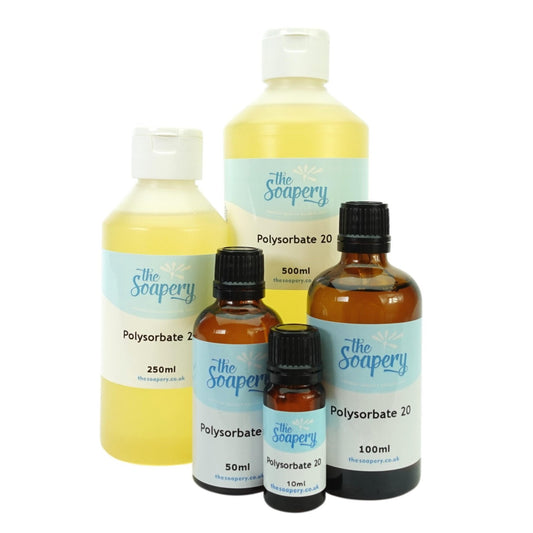
  • Polysorbaat 20

    Polysorbaat 20

    Normale prijs
    Vanaf €4,95
    Aanbiedingsprijs
    Vanaf €4,95
    Normale prijs
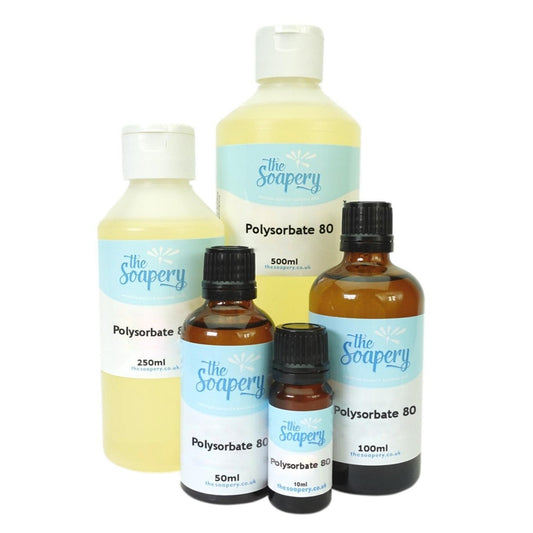
  • Polysorbaat 80

    Polysorbaat 80

    Normale prijs
    Vanaf €4,95
    Aanbiedingsprijs
    Vanaf €4,95
    Normale prijs

Waarom kiezen voor The Soapery?

  • Gratis verzending binnen het Verenigd Koninkrijk

    Haal je ingrediënten snel in huis zonder extra kosten.

  • Verzending op dezelfde dag*

    Bestel vóór 15.00 uur om uw pakket direct te laten verzenden.

  • Lage prijzen

    Geen glanzende marketing of valse beloftes betekent grote besparingen.

  • Ethische leveranciers

    Geen bedenkingen hier. Onze ingrediënten zijn ethisch en duurzaam verkregen.

Over Oplosmiddelen

Werken met olie en water? Wij hebben de perfecte oplossing. Maak het onoplosbare oplosbaar met solubilisators. Deze handige producten helpen oliën op te lossen in water, wat resulteert in heldere, stabiele formules voor alles van kamersprays tot bruisballen.

Meer leren over cosmetische solubilisators

Perfectioneer uw meest complexe formules.

Een stabiele cosmetische formule creëren kan in het beste geval lastig zijn, maar ronduit moeilijk als het gaat om water en oliën. Gelukkig zit u bij ons goed. Met de juiste solubilisator in uw hoek (of knutselkastje) is het maken van olie-in-waterrecepten die lang meegaan kinderspel. Waarom probeert u het niet zelf? Bekijk vandaag nog ons zorgvuldig geselecteerde assortiment solubiliserende middelen!

Wat zijn cosmetische solubilisators?

Solubilisators zijn het geheime wapen van een maker - afkomstig uit de emulgator- en oppervlakteactieve stoffenfamilie. Van Polysorbaat 20 tot 80, deze niche-ingrediënten bieden formule-transformerende eigenschappen aan geurmakers, toilettenmakers en iedereen daartussenin.

Maar wat zijn het precies? Hoewel ze tot dezelfde groep behoren – met die prachtige hydrofiele en lipofiele eigenschappen – zijn deze ingrediënten een tikkeltje kieskeuriger dan hun emulgerende en oppervlakteactieve broertjes en zusjes! Het belangrijkste verschil? Ze lossen anders onoplosbare ingrediënten met gemak op in water in plaats van simpelweg een gelijkmatige mix te creëren.

Solubilisators doen het ook uitstekend wanneer ze in een gelijke verhouding met oliën worden gemengd. Zozeer zelfs dat ze een van de best mogelijke opties zijn voor het gelijkmatig verspreiden van geuren zoals etherische oliën, en een topkeuze voor het creëren van een kristalheldere formule! Onthoud dat het altijd het beste is om onderzoek te doen om de beste verhoudingen en recepten te vinden.

Onze solubilisators kunnen worden gebruikt in lotions, kamersprays, parfumblends, crèmes, shampoos, body washes, bruisballen en douchegels.

Hoe Solubiliserende Middelen in Cosmetica te Gebruiken

Solubilisators worden, zoals hun naam al doet vermoeden, gebruikt om kleine hoeveelheden oliën of in olie oplosbare ingrediënten (zoals essentiële oliën of geuroliën) te solubiliseren in voornamelijk waterige brouwsels (zoals toners), en om wateroplosbare eigenschappen toe te voegen aan watervrije producten (zoals een reinigingsolie of bruisballen).

Er zijn veel opties beschikbaar, elk met hun eigen sterke en zwakke punten – dus zorg ervoor dat u goed onderzoek doet en test voordat u zich vastlegt op een nieuwe formule of recept!

Natuurlijk hangt de benodigde hoeveelheid solubilisator af van uw ingrediënten en proces – hoe polarer uw oliën, hoe minder nodig is. Neem bijvoorbeeld polysorbaat 20. Deze solubilisator werkt het beste in milde formules en moet in gelijke verhoudingen met oliën worden gebruikt.

Nadat uw oliën goed en wel zijn gesolubiliseerd, voegt u ze eenvoudig toe aan uw hoofdmengsel van ingrediënten en gaat u verder met maken – of u nu in bruisbalmallen verpakt of op fles doet, klaar voor gebruik. Uw eindresultaat moet glad, smeerbaar en zonder die gevreesde olielagen of bubbels zijn!

De voordelen van cosmetische solubilisators

Deze revolutionaire ingrediënten zijn zeker niet te versmaden! Ze bieden makers wereldwijd de mogelijkheid om zelfs de meest polariserende ingrediënten echt te mengen, en zijn een vaste waarde in alles van geuroliën tot gezichtstoners.

Onze klanten zijn dol op onze solubilisators vanwege hun verspreidende en oplossende eigenschappen. Zonder hen zouden hun olie-in-water formules uit elkaar vallen - letterlijk! Deze kleine helpers creëren gemakkelijk een naadloze blend en geven iedereen de kans om een prachtig effectief, gelijkmatig eindproduct te creëren.

Bovendien bieden solubilisators stabiliteit. Hun oppervlakteactieve eigenschappen helpen ingrediënten langer aan elkaar te binden, waardoor verse formules na verloop van tijd worden beschermd tegen scheiding en uw creaties aanvoelen zoals ze horen op de huid.

Overtuigd? Wij zeker! Bekijk vandaag nog onze selectie solubilisators voor ingrediënten van topkwaliteit, transparante prijzen en gratis, snelle levering.

WAT KLANTEN ZEGGEN

We Waarderen Elk van Onze Klanten

Accreditaties/Prijzen

We zetten ons in om een uitgebreid assortiment van volledig natuurlijke, biologische producten aan te bieden die gecertificeerd zijn door The Soil Association, en we zijn er trots op dat we ons steentje bijdragen aan de wereld om ons heen.

Net als de meeste ingrediënten worden de oliën, boters, poeders en decoraties in uw handgemaakte producten geteeld of gewonnen uit de natuurlijke wereld. De producten die door de Soil Association als biologisch zijn gecertificeerd, zijn geteeld, geproduceerd en geoogst in overeenstemming met strenge voorschriften die zijn opgesteld om het milieu, inclusief bodems, ecosystemen, dieren en mensen, te beschermen en in stand te houden.

Oplosmiddelen Kopen: Veelgestelde vragen

Kunt u de antwoorden die u zoekt niet vinden? Neem dan contact op met ons vriendelijke team via ons contactformulier of via sociale media. We helpen u graag verder.

What do solubilisers do?

Solubilisers are key players in the world of cosmetics, particularly when it comes to blending oil and water. These ingredients, like Polysorbate 20 and 80, have a talent for making oil-based components (think essential oils) compatible with water, ensuring a clear, stable end product. 

Solubilisers reduce the surface tension between oil and water, allowing them to mix without separating. This not only improves the product's stability but enhances the effectiveness of oil-based active ingredients, ensuring they're evenly distributed and easily absorbed by the skin. They're crucial in products where performance, clarity, and consistency matter, like bath bombs and facial toners.

How do solubilisers work?

Solubilisers are ingredients group closely related to surfactants and emulsifiers. In simple terms, they’re used to help other ingredients disperse and dissolve in a liquid - particularly oil in water. 

On a molecular level, these ingredients boast both hydrophilic and lipophilic properties - which, collectively, allow them to bridge the gap between oil and water - creating smooth formulas where separation would normally take place. Whilst they’re completely water soluble, solubilisers can only combine small amounts of water with oil, making them the perfect choice for formulas requiring only tiny drops of oil-based ingredients like essential oils. 

You’ll often see them in recipes requiring an oil-in-water mix including toners and sprays, or in products such as body or foot scrubs (helping them wash off more easily).

Are solubilisers natural?

The cosmetics world has plenty of solubilisers to offer - some natural, and some not. Be sure to review each and every option available for suitability before making your final choice! 

In some circumstances, a more synthetic option is the way to go. Polysorbate 20 and Polysorbate 80 are both commonly used as solubilisers and emulsifiers in cosmetic and personal care formulations. While they do originate from natural sources, they undergo chemical modifications, which is why they aren't considered 100% natural.

Both start from sorbitol, a sugar alcohol derived from fruit.This sorbitol is then ethoxylated, meaning it undergoes a chemical reaction with ethylene oxide. The resultant compound is then reacted with lauric acid (for Polysorbate 20) or oleic acid (for Polysorbate 80) to produce the final product.

Because of the introduction of ethylene oxide and the various chemical reactions involved, even though they start from a natural ingredient, Polysorbate 20 and Polysorbate 80 are often viewed as synthetic or semi-synthetic compounds in the cosmetic world.

It's up to you to decide what type of solubiliser to use in your recipes - however, some are more suited to certain uses than others. Be sure to do your research before making your choice! 

What is the best solubiliser for bath bombs?

The best solubiliser for a bath bomb mainly depends on the specific ingredients used, and the desired result. With this being said, Polysorbate 80 is a popular choice across the board. 


Thanks to its strong ability to disperse oils, fragrances, and pigments such as mica in water (therefore helping prevent uneven distribution and stains on the bath), Polysorbate 80 is considered by many of our customers to be one of the best bath bomb solubilising options out there. 

Choosing a solubiliser? It’s always a good idea to test your purchases in small batches to find what works best for your particular formula and desired result.

What’s the difference between polysorbate 80 and polysorbate 20?

Polysorbate 20 and Polysorbate 80 are both solubilising agents, meaning they can be used to help dissolve oil-based ingredients in water-based solutions. They’re commonly found in formulas for lotions, shampoos, body washes, fragrance sprays, and facial toners working to either evenly distribute essential oils or lipophilic ingredients. 

Both are derived from sorbitan, which is produced from naturally occurring sugar alcohols.

In addition to being solubilisers, these polysorbate variants can also act as emulsifiers, making them a brilliant addition to creams and butters. Both options produce the same skin feel. 

The differences between the two include: 

-Polysorbate 80 is slightly better at solubilising vegetable oils, especially those with high amounts of unsaturated fats.

-Polysorbate 20 is mainly used in non-skin products, whereas Polysorbate 80 is used more in wash off skin products.

-Polysorbate 20 can be used to make surfactants more gentle.

-Polysorbate 20 will pull the pH of a formula towards the acidic end – something you should consider if you’re using geogard ultra as a preservative.

What is solubiliser for essential oils?

Essential oils are used in everything from soap to cosmetics and beyond for their lovely scents and skin-loving properties. Whether lavender, chamomile, sweet orange, or patchouli, you’re almost guaranteed to have come across these intense ingredients in one form or another. As commonly as they’re used in recipes, working with essential oils alone can be tricky, as they don’t mix well with water. This is where solubilisers come into play. When added to a small quantity of essential oil, these ingredients can help create a smooth and stable mixture - with no lumps or oil films to be seen.

How do I choose the right cosmetic solubiliser for my product?

When choosing a cosmetic solubilizer for your next creation, there are a few factors to keep in mind. Our experts recommend sticking to the following simple checklist in order to make the best possible choice:

Firstly, consider your recipe or formulation. Most solubilisers can dissolve completely in water with ease but are pickier with oils. Make sure you’ve got your concentrations in order, and have chosen the best possible match for your existing ingredient list.

Your final product should also be taken into account. Some solubilisers are brilliant in bath bombs, whilst others are best paired with fragrance sprays. Be sure to do your research!

It's also important to think about the consistency and feel of your final product. Different solubilisers can create different textures - meaning it’s important to select the right one for your ideal feel. 

Are there any safety concerns when using cosmetic solubilisers?

Our experts recommend following all of the typical soap making guidance when using solubilisers for the best possible results, and for your own safety, as, when used improperly, they can be harsh on the skin. These include taking precautions against irritation to the skin and eyes - be sure to wear eye protection and gloves when handling any kind of solubiliser, in addition to patch testing prior to use. 

Another concern is that some solubilisers can be toxic if ingested. It's important to keep your solubilisers and other ingredients out of reach of children and pets, and, of course, to never ingest them yourself.

Finally, be sure to check the use-by dates on your solubilisers’ packaging. In order to ensure they last up until this date, store them in a cool, dry place to prevent spoilage and bacteria growth.

Why is solubilisation important in cosmetic formulations?

Solubilisation is a foundational principle in cosmetic science. At its core, it addresses the challenge of combining oil and water, two components that are inherently ‘unmixable’. Without effective solubilisation, many cosmetic formulations would lack the uniform consistency desired, resulting in separated mixtures that are neither aesthetically pleasing nor functionally effective.

Solubilisers play a critical role in ensuring that oils integrate seamlessly into aqueous solutions, be it toners, sprays, or other water-based products. This integration not only provides a consistent texture but also guarantees uniform delivery of active ingredients in every application – key to the success of any cosmetic product. 

What’s the difference between solubilisers and emulsifiers?

Solubilisers and emulsifiers both play vital roles in cosmetic and toiletry creations, but serve distinct purposes.

Solubilisers are a great option for anyone looking to dissolve small amounts of oil-soluble ingredients into recipes made up mainly of water, resulting in clear solutions, and are the perfect choice for maintaining clarity in a formula. 

Emulsifiers, on the other hand, create stable mixtures of oil and water, producing emulsions that can range from opaque to creamy. This is achieved by reducing the surface tension between the oil and water phases.

In essence, while both are crucial for blending oil and water, solubilisers ensure clarity, whereas emulsifiers focus on stability and texture.