Collectie: Emulgatoren

Gratis verzending binnen het Verenigd Koninkrijk

Verzending op dezelfde dag*

6 producten

Filteren en sorteren

Toont 6 van 6 producten

  • BTMS 25

    BTMS 25

    Normale prijs
    Vanaf €5,95
    Aanbiedingsprijs
    Vanaf €5,95
    Normale prijs
  • BTMS 50

    BTMS 50

    Normale prijs
    Vanaf €10,95
    Aanbiedingsprijs
    Vanaf €10,95
    Normale prijs
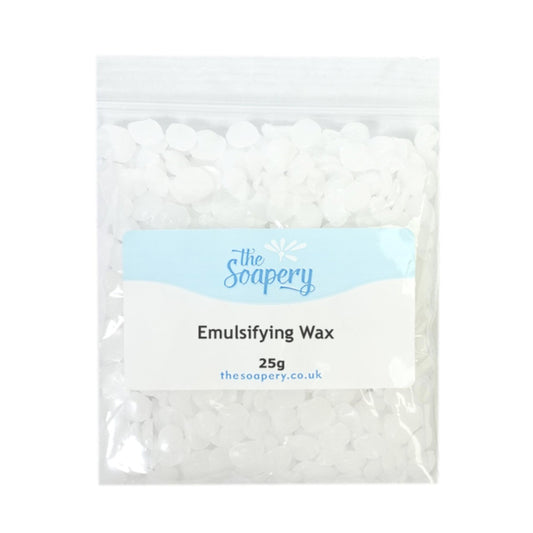
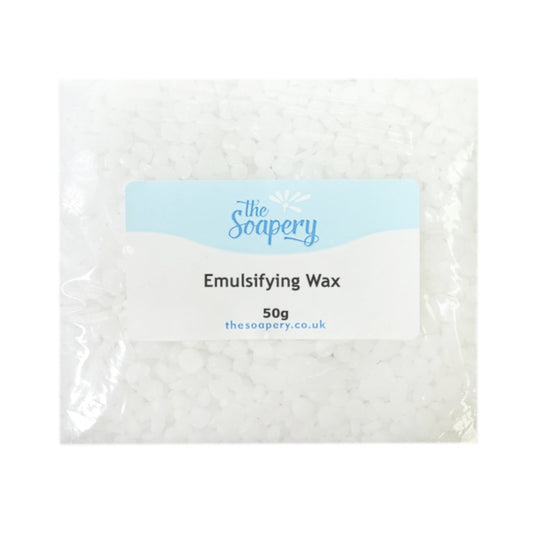
  • Emulgerende Was

    Emulgerende Was

    Normale prijs
    Vanaf €4,95
    Aanbiedingsprijs
    Vanaf €4,95
    Normale prijs
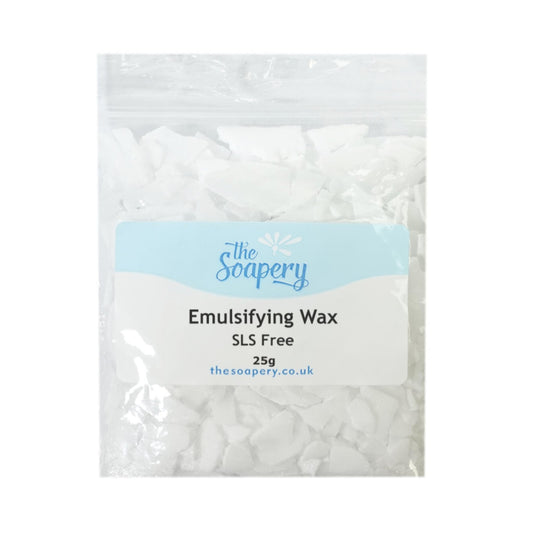
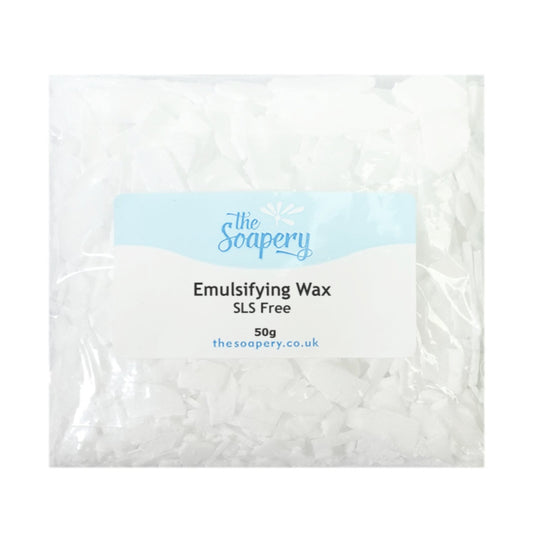
  • Emulgerende Was SLS-vrij

    Emulgerende Was SLS-vrij

    Normale prijs
    Vanaf €4,95
    Aanbiedingsprijs
    Vanaf €4,95
    Normale prijs
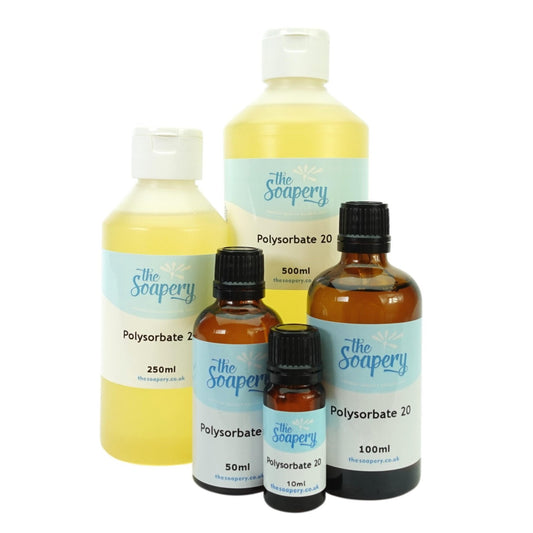
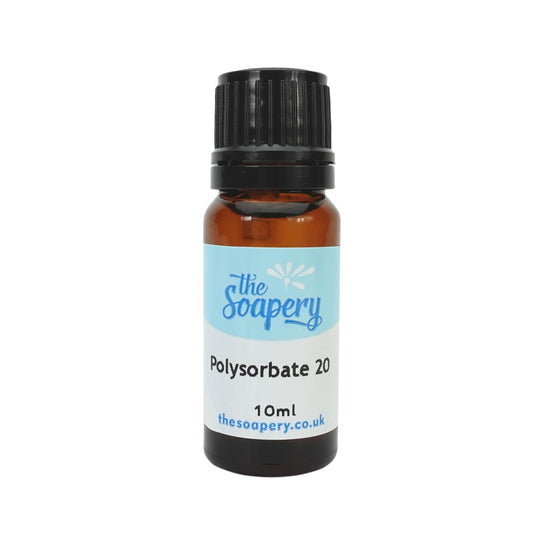
  • Polysorbaat 20

    Polysorbaat 20

    Normale prijs
    Vanaf €4,95
    Aanbiedingsprijs
    Vanaf €4,95
    Normale prijs
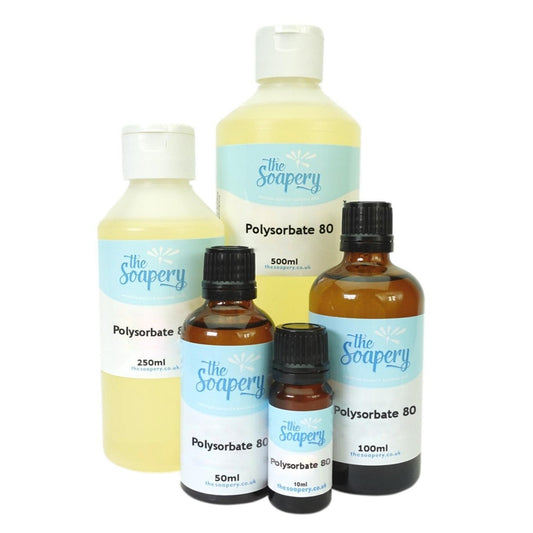
  • Polysorbaat 80

    Polysorbaat 80

    Normale prijs
    Vanaf €4,95
    Aanbiedingsprijs
    Vanaf €4,95
    Normale prijs

Waarom kiezen voor The Soapery?

  • Gratis verzending binnen het Verenigd Koninkrijk

    Haal je ingrediënten snel in huis zonder extra kosten.

  • Verzending op dezelfde dag*

    Bestel vóór 15.00 uur om uw pakket direct te laten verzenden.

  • Lage prijzen

    Geen glanzende marketing of valse beloftes betekent grote besparingen.

  • Ethische leveranciers

    Geen bedenkingen hier. Onze ingrediënten zijn ethisch en duurzaam verkregen.

Over Emulgatoren

Een lastige formule bij de hand? Water en olie mengen? Zitten uw bestanddelen niet goed aan elkaar vast? Onze cosmetische emulgatoren bieden de oplossing. Deze zorgvuldig geselecteerde ingrediënten vormen de perfecte 'lijm' - ze houden formules, van zepen tot crèmes, perfect in harmonie bij elkaar.

Meer informatie over cosmetische emulgatoren

Begin met mixen!

Olie en water mengen van nature niet - dat wil zeggen, niet zonder een beetje hulp. Dat is waar een emulgator tussenbeide komt en als bemiddelaar optreedt, om zo een homogeen mengsel, of 'emulsie', te creëren! Onze cosmetische emulgatoren zijn de perfecte aanvulling op elk recept.

Wat zijn cosmetische emulgatoren?

Een essentieel onderdeel voor creaties en cosmetica.

Deze magische ingrediënten helpen bij het mengen van water- en olieproducten, zoals lotions, crèmes en shampoos.

Een emulgator is nodig wanneer olie en water in formuleringen met elkaar worden gemengd. Ze mengen de plantaardige of etherische oliën in water om een gladde emulsie te creëren. Een emulgator kan worden gebruikt in cosmetische producten zoals lotions, crèmes, serums, bodybutters, zalven, conditioners en haarbehandelingen.

Deskundig gewonnen uit planten, dieren of chemische synthese, komt een emulgator in twee hoofdvormen voor: olie-in-water en water-in-olie. Terwijl de eerste een geweldige optie is voor een lotion- of crème-achtig eindresultaat, zijn water-in-olie emulgatoren perfect voor degenen die een dikkere, balsem-achtige consistentie zoeken.

Enkele van onze populairste emulgerende ingrediënten zijn emulgerende was, polysorbaat 80 en BTMS - die allemaal unieke voordelen bieden. Sommige emulgatorproducten zijn van natuurlijke oorsprong, maar zijn niet 100% natuurlijk, toch zijn ze een geweldig, natuurlijker emulgatoralternatief. Van volumiserend en schuimend tot verdikkend en meer, een emulgator kan meer dan alleen binden!

Klaar om te beginnen? Waarom bladert u niet nu door ons assortiment cosmetische emulgatoren?

Hoe gebruikt u een emulgator in cosmetica?

Laten we uw creaties tot leven brengen!

In de meeste recepten is het afzonderlijk verwarmen van uw watergedragen en oliegedragen ingrediënten voordat u ze combineert, de sleutel tot het creëren van die gewilde emulsie. Onze experts raden aan om ervoor te zorgen dat beide een vergelijkbare temperatuur hebben voordat u ze mengt en een hulpmiddel zoals een staafmixer te gebruiken om een glad resultaat te garanderen.

Natuurlijk zijn er honderden verschillende cosmetische emulgatoropties op de markt, wat betekent dat u voordat u begint met mengen de juiste aankoopbeslissing moet nemen. Of uw haarverzorgingsrecept nu de bindende kracht van BTMS vereist of dat u een snufje polysorbaat 80 nodig heeft voor uw bruisbal, zorg ervoor dat u uw onderzoek doet en controleer uw instructies zorgvuldig op individuele eigenaardigheden, tips en trucs!

De voordelen van cosmetische emulgatoren

Mengen en binden.

Onze klanten zijn dol op het gebruik van cosmetische emulgatoren! Deze handige kleine helpers doen allerlei geweldige dingen voor hun creaties.

Een emulgator geeft iedereen de mogelijkheid om het speelveld gelijk te trekken. Naast het binden, heeft de juiste emulgator de kracht om precies de juiste textuur te creëren - waardoor uw producten heerlijk aanvoelen op de huid. Schudden of roeren is hier niet nodig!

En laten we de effectiviteit niet vergeten. Door te helpen om alle goede dingen gelijkmatig te verdelen, kunnen emulgatoren uw producten nog effectiever maken in wat ze moeten doen. Of het nu gaat om hydrateren, reinigen of verfrissen, er is een cosmetische emulgator voor de klus.

WAT KLANTEN ZEGGEN

We Waarderen Elk van Onze Klanten

Accreditaties/Prijzen

We zetten ons in om een uitgebreid assortiment van volledig natuurlijke, biologische producten aan te bieden die gecertificeerd zijn door The Soil Association, en we zijn er trots op dat we ons steentje bijdragen aan de wereld om ons heen.

Net als de meeste ingrediënten worden de oliën, boters, poeders en decoraties in uw handgemaakte producten geteeld of gewonnen uit de natuurlijke wereld. De producten die door de Soil Association als biologisch zijn gecertificeerd, zijn geteeld, geproduceerd en geoogst in overeenstemming met strenge voorschriften die zijn opgesteld om het milieu, inclusief bodems, ecosystemen, dieren en mensen, te beschermen en in stand te houden.

Emulgatoren Kopen: Veelgestelde vragen

Kunt u de antwoorden die u zoekt niet vinden? Neem dan contact op met ons vriendelijke team via ons contactformulier of via sociale media. We helpen u graag verder.

How do emulsifiers work in oil-to-water vs. water-to-oil formulations?

Emulsifiers are key in creating stable mixtures for different types of cosmetic formulations. In oil-to-water emulsions, they disperse oil droplets in a water base, common in lighter lotions and creams. This helps the product absorb quickly into the skin. In water-to-oil emulsions, emulsifiers suspend water droplets in an oil base, creating a richer, more moisturising effect. 

The choice of emulsion type depends on the rest of the ingredients used across your formula, alongside desired texture and properties of the final product, with the emulsifier ensuring uniform distribution.

Why are emulsifiers used in cosmetics?

Making a cosmetics product? There’s a good chance that your ingredient list contains emulsifiers! 

The main role of these key ingredients comes in the form of binding. Most of the time, they’re used to help blend together things that wouldn't normally mix, like oil and water - both of which are essential for creating cosmetics products like lotions and creams. 

In addition to the above, emulsifiers are active contributors to texture, and product performance - meaning they can be used to craft everything from lightweight serums to creamy moisturisers. 

Before selecting your final emulsifier - be sure you’re making the right choice for your desired end result. Each brings different benefits to the table!

Are cosmetic emulsifiers natural?

There’s a near endless range of cosmetic emulsifiers out there, meaning there’s an equally long list of sources - some of which are natural (e.g. plants and minerals). For instance, lecithin and cellulose are direct natural emulsifiers. 

With this being said, many recipes require emulsifiers with very specific qualities only found in synthetic resources, or when natural ones are processed in some way. These options tend to be more stable and consistent in their performance than their 100% natural counterparts, making them a popular choice for makers.

What is the best cosmetic emulsifier?

To put it simply, there’s no one best cosmetic emulsifier out there - however, there’s likely one for your chosen recipe.

From all-natural to synthetic and everything in between, each emulsifier the making world has at hand brings different properties to the table - making them best suited for varying uses. 

For example, BTMS 50 is often a safe bet for hair products as it helps moisturise, hydrate, and soften hair. It’s loved worldwide for its conditioning, detangling and anti-frizzing properties - and is a common choice for conditioners! With this being said, for bath bomb makers, polysorbate 80 is a better emulsifying choice as it prevents the occurrence of an ‘oil layer’ on top of water, and enables colour to better disperse.

If sorting by chemical properties, on the whole, anionic emulsifiers are great for products with high water content, non-ionic emulsifiers work well in products with the opposite, cationic emulsifiers are ideal for conditioning and detangling, while amphoteric emulsifiers can stabilise emulsions over a wide pH range.

What are cosmetic emulsifiers?

Cosmetic emulsifiers are specialised ingredients seen across skincare and makeup products. They work to combine or ‘emulsify’ mixtures that would otherwise remain separate in formulas, for example, water and oil. They play a vital role in the consistency, texture, and longevity, helping ensure final products have a uniform appearance and feel. 

A necessary addition to many products including creams, lotions, and serums, emulsifiers are available in both natural and synthetic forms. Popular choices include BTMS 25 and 50, and polysorbate 80.

Do cosmetic emulsifiers expire?

Like most cosmetic ingredients, emulsifiers can expire. The exact shelf life of your product will depend on the type you’ve chosen (chemical composition plays an important role in longevity), storage conditions, and its exposure to air and other contaminants. Expired emulsifiers may lack efficacy, resulting in underperforming products. 

Your cosmetic emulsifier should be supplied with a recommended shelf life or expiration date on its packaging. In order to ensure it lives up to this guideline, it’s important to follow manufacturer guidelines on storage and usage.

What is BTMS?

BTMS, which stands for Behentrimonium Methosulfate, is a conditioning emulsifier commonly used in the cosmetic industry. It's derived from fatty alcohol (commonly sourced from plant oils including rapeseed, sunflower, and coconut) which undergoes chemical modifications to create the emulsifying properties that BTMS is known for. Specifically, the fatty acids from these oils are reacted with trimethylamine – meaning that although this emulsifier starts life naturally, it doesn’t receive our all-natural label. 

 BTMS helps blend water and oil components in products while providing excellent conditioning properties. This makes it a popular choice for haircare products like conditioners and detanglers.

Can emulsifiers be used to preserve natural ingredients in a cosmetic product?

In short, cosmetic emulsifiers work by coating the ingredients they’re mixing, and forming a barrier that keeps them stable. Whilst this helps hugely in terms of binding things like water and oil together in creations like creams and lotions, stability is also a huge factor in product longevity - keeping things feeling and looking fresh. 

With this said, it's important to note that emulsifiers don’t inherently possess preservative properties. As a result, if you’re creating cosmetics containing water or otherwise prone to microbial growth, it's essential to include appropriate preservatives.

What are the differences between BTMS 50 and BTMS 25?

BTMS, a common emulsifier in cosmetic formulations, comes in two primary variants: BTMS 50 and BTMS 25. Whilst every variant of this ingredient acts as an emulsifying agent, their numbers, 50 and 25, hint at the concentration of the core compound, Behentrimonium Methosulfate. Though both originate from plant sources like rapeseed or coconut oil, their chemical modifications render them semi-synthetic.

Specifically, BTMS 50 boasts roughly 50% Behentrimonium Methosulfate. On the other hand, BTMS 25 contains about 25%.

Choosing between them often boils down to the way you’d like your final product to look and perform. 

How do I store cosmetic emulsifiers?

When it comes to ingredients for cosmetics and soap making, correct storage can be key to longevity! This, of course, applies to emulsifiers. Our experts recommend taking the following steps before or after use:

  • Store your emulsifiers in cool, dry, and dark places. Sunlight and heat exposure can cause premature rancidity and breakdown.
  • Keep your emulsifiers in their original airtight packaging where possible. If you need to transfer them to a different container, make sure it’s airtight and labelled clearly.
  • Seal any containers, bottles, and bags tightly in order to prevent exposure to moisture and contaminants. 

Remember to follow the expiration date on the package. If your emulsifier has passed its expiration date, it may not work as effectively!