Collectie: Benodigdheden voor het maken van zeep

Gratis verzending binnen het Verenigd Koninkrijk

Verzending op dezelfde dag*

253 producten

Filteren en sorteren

Toont 253 van 253 producten

  • Olijfolie - Pomace

    Olijfolie - Pomace

    Normale prijs
    Vanaf €4,95
    Aanbiedingsprijs
    Vanaf €4,95
    Normale prijs
  • Wonderolie

    Wonderolie

    Normale prijs
    Vanaf €7,95
    Aanbiedingsprijs
    Vanaf €7,95
    Normale prijs
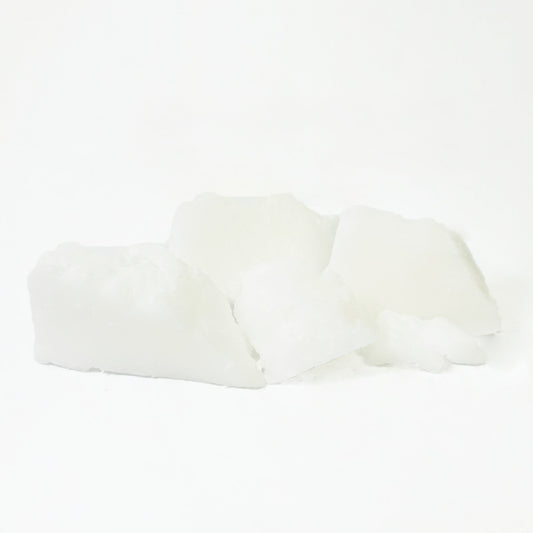
  • Kokosolie - Geraffineerd

    Kokosolie - Geraffineerd

    Normale prijs
    Vanaf €55,95
    Aanbiedingsprijs
    Vanaf €55,95
    Normale prijs
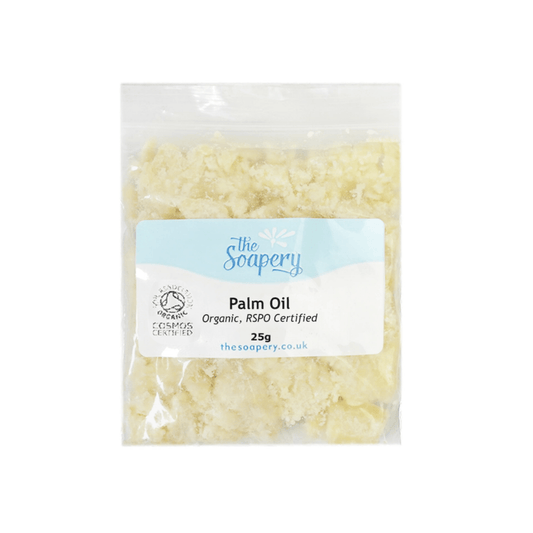
  • Geraffineerde biologische RSPO palmolie

    Geraffineerde biologische RSPO palmolie

    Normale prijs
    Vanaf €3,95
    Aanbiedingsprijs
    Vanaf €3,95
    Normale prijs
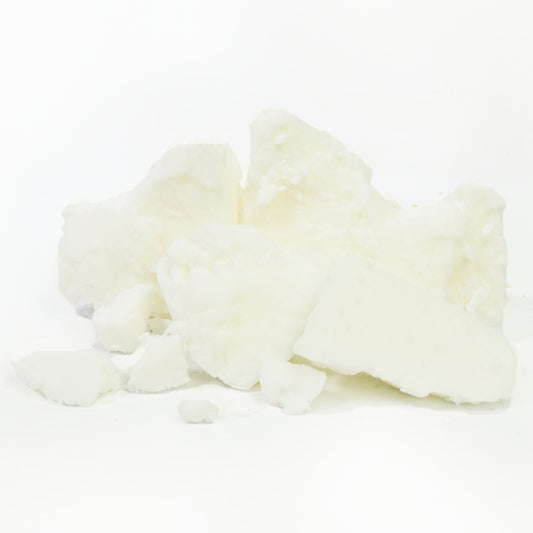
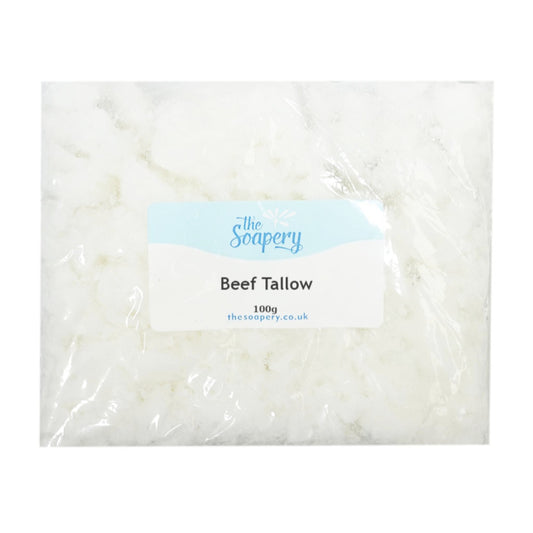
  • Rundervet

    Rundervet

    Normale prijs
    Vanaf €3,95
    Aanbiedingsprijs
    Vanaf €3,95
    Normale prijs
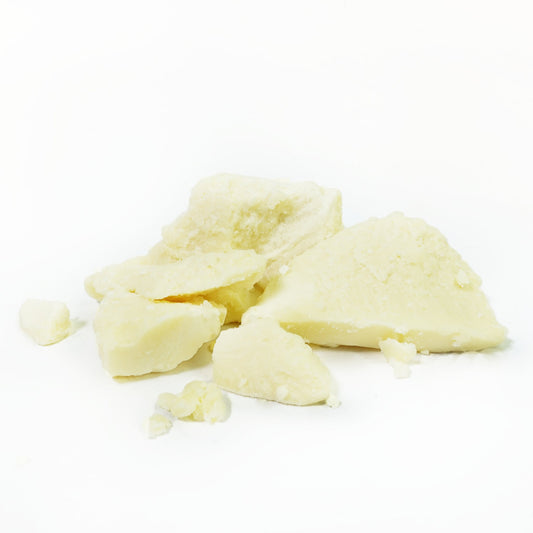
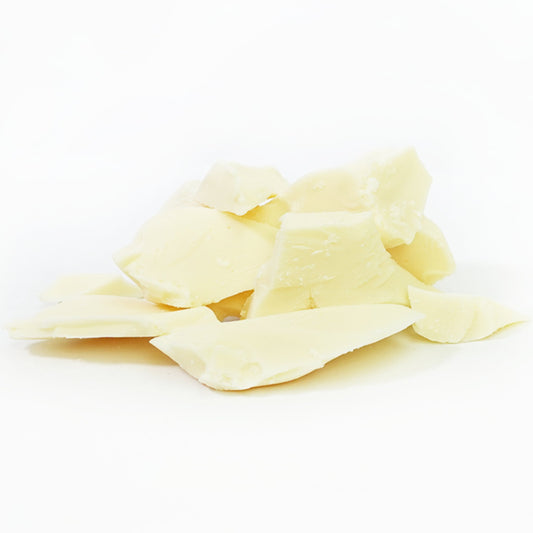
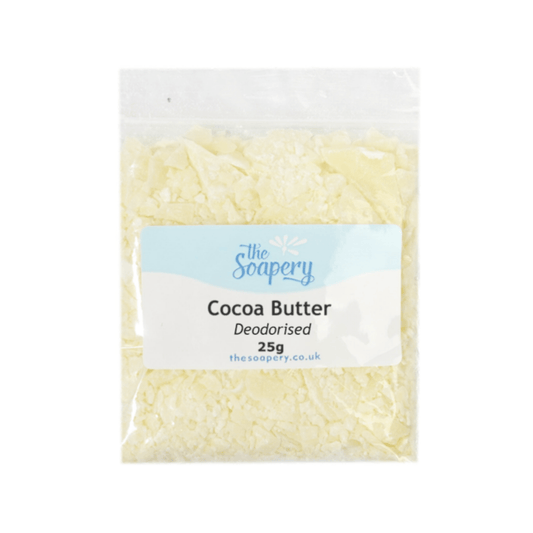
  • Cacaoboter

    Cacaoboter

    Normale prijs
    Vanaf €4,95
    Aanbiedingsprijs
    Vanaf €4,95
    Normale prijs
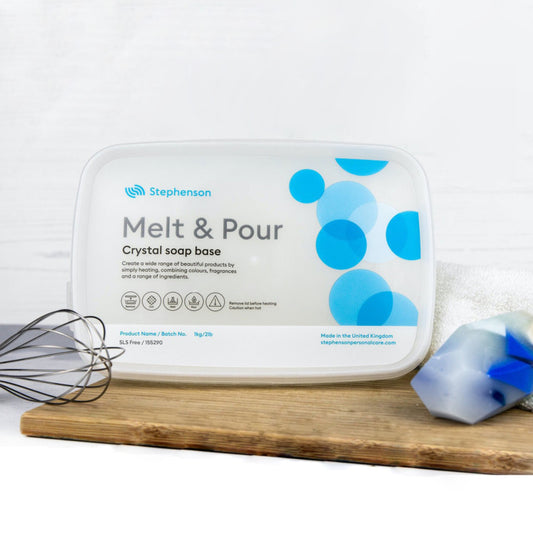
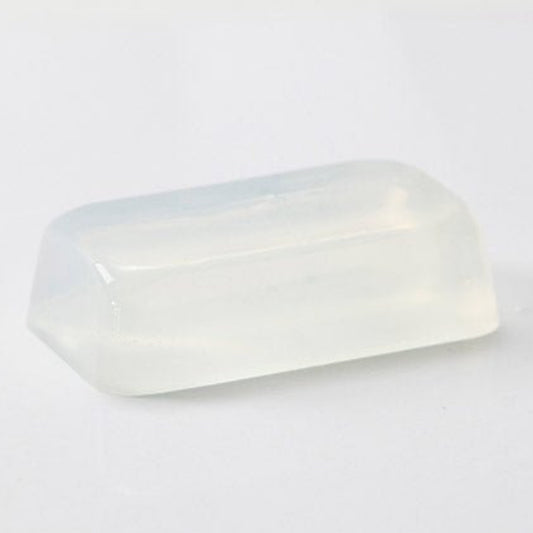
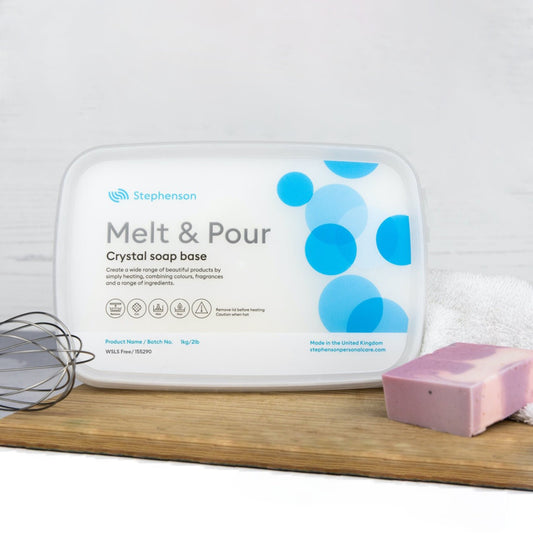
  • Heldere Transparante Gietzeepbasis - SLS Vrij

    Heldere Transparante Gietzeepbasis - SLS Vrij

    Normale prijs
    Vanaf €13,95
    Aanbiedingsprijs
    Vanaf €13,95
    Normale prijs
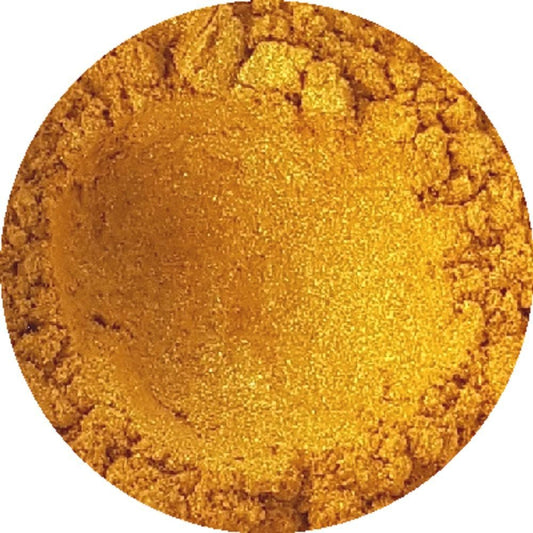
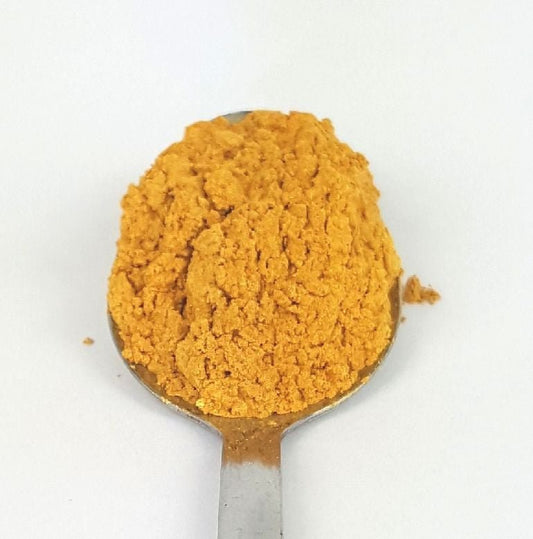
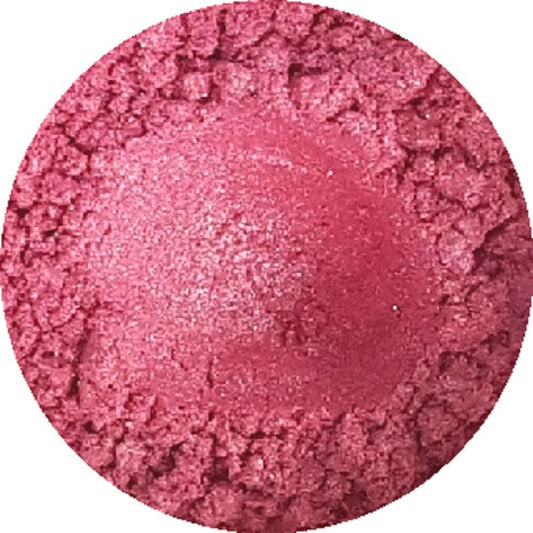
  • Gouden Glans Cosmetische Micapoeder

    Gouden Glans Cosmetische Micapoeder

    Normale prijs
    Vanaf €2,95
    Aanbiedingsprijs
    Vanaf €2,95
    Normale prijs
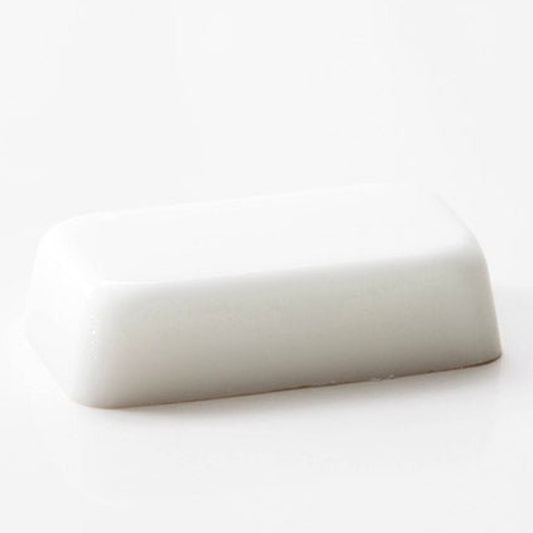
  • Opaak Witte Gietzeepbasis - SLS-vrij

    Opaak Witte Gietzeepbasis - SLS-vrij

    Normale prijs
    Vanaf €13,95
    Aanbiedingsprijs
    Vanaf €13,95
    Normale prijs
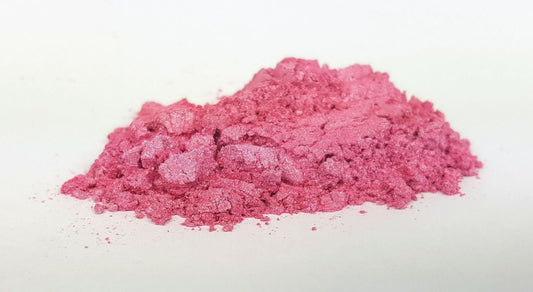
  • Koele Roze Cosmetische Micapoeder

    Koele Roze Cosmetische Micapoeder

    Normale prijs
    Vanaf €2,95
    Aanbiedingsprijs
    Vanaf €2,95
    Normale prijs
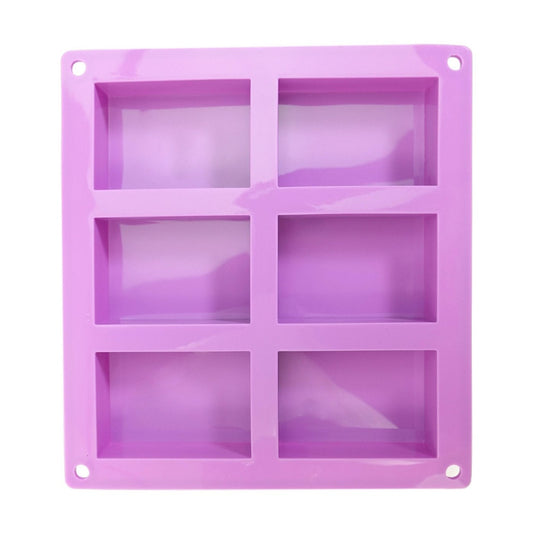
  • Rechthoekige Vorm 6 Cellen

    Rechthoekige Vorm 6 Cellen

    Normale prijs
    Vanaf €9,95
    Aanbiedingsprijs
    Vanaf €9,95
    Normale prijs
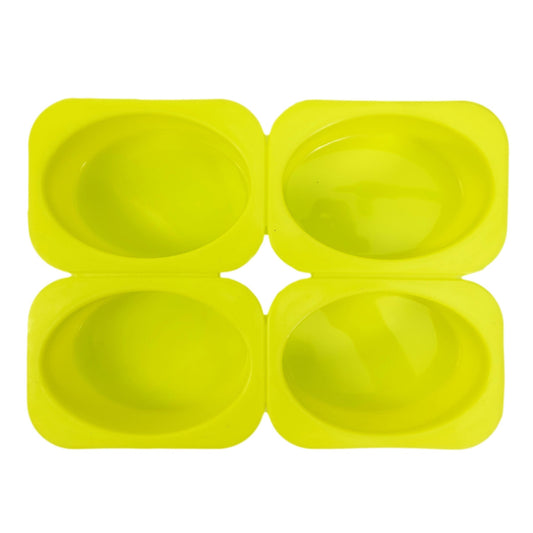
  • Ovale Mal 4 Cellen

    Ovale Mal 4 Cellen

    Normale prijs
    Vanaf €8,95
    Aanbiedingsprijs
    Vanaf €8,95
    Normale prijs
  • Vloeibare Castille Zeepbasis – Biologisch

    Vloeibare Castille Zeepbasis – Biologisch

    Normale prijs
    Vanaf €7,95
    Aanbiedingsprijs
    Vanaf €7,95
    Normale prijs
  • 3-in-1 basis douchegel

    3-in-1 basis douchegel

    Normale prijs
    Vanaf €11,95
    Aanbiedingsprijs
    Vanaf €11,95
    Normale prijs
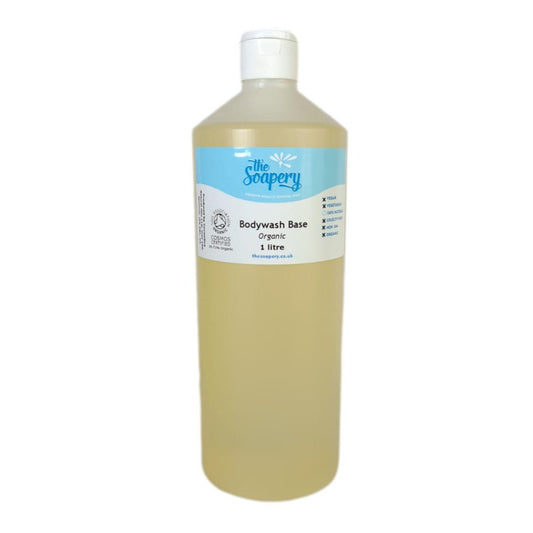
  • Douchegelbasis - Biologisch

    Douchegelbasis - Biologisch

    Normale prijs
    Vanaf €13,95
    Aanbiedingsprijs
    Vanaf €13,95
    Normale prijs

Waarom kiezen voor The Soapery?

  • Gratis verzending binnen het Verenigd Koninkrijk

    Haal je ingrediënten snel in huis zonder extra kosten.

  • Verzending op dezelfde dag*

    Bestel vóór 15.00 uur om uw pakket direct te laten verzenden.

  • Lage prijzen

    Geen glanzende marketing of valse beloftes betekent grote besparingen.

  • Ethische leveranciers

    Geen bedenkingen hier. Onze ingrediënten zijn ethisch en duurzaam verkregen.

Over Benodigdheden voor het maken van zeep

Vloeibaar, in blokvorm, en nog veel meer! Zeep je in met de zeepmaakbenodigdheden van The Soapery - een zorgvuldig samengestelde collectie van 's werelds beste gereedschappen en ingrediënten. Ontdek onze uitgebreide selectie zeepmaakbenodigdheden voor koudproceszeep maken, warmproceszeep maken en melt-and-pour-zeep maken. Bij ons vind je de bases, oliën, geuren en plantaardige ingrediënten die je nodig hebt!

Welkom in de wereld van handgemaakte zeep

Hier bij The Soapery is zeep maken onze dagelijkse kost - of moeten we zeggen olie en loog!

Voor ons en onze makers is zeep maken meer dan alleen je huid reinigen - het is zelfs een van de beste creatieve uitlaatkleppen die er zijn! Met slechts een paar ingrediënten en een goed recept kun je unieke producten creëren waar je trots op kunt zijn om te gebruiken en te delen met anderen.

Van natuurlijke ingrediënten zoals kokosolie, palmolie, zoete amandelolie en olijfolie tot essentiële zeepmaakbenodigdheden zoals natriumhydroxide, we hebben alles wat je nodig hebt om je eigen zeepmaakproces te starten!

Door het zelf te doen, kun je elk element van je afgewerkte zeep controleren - van geuren, kleuren en vormen tot uiteindelijke texturen. Geen stress meer over agressieve ingrediënten of allergenen! Bovendien is er een hele gemeenschap van gelijkgestemde makers binnen handbereik die klaarstaat om je te helpen je recepten te perfectioneren.

Dus, hoe begin je? Nou - we hebben een missie om het maken van zeep en cosmetica voor iedereen toegankelijk te maken. Want zeg nou zelf - wie geniet er niet van de magie van mixen, matchen en maken?

Van romige butters tot geuroliën en meer, al onze zeepmaakbenodigdheden zijn door onze experts handmatig geselecteerd op kwaliteit, met zorg verpakt en rechtstreeks naar jou verzonden. Bovendien beloven we het eenvoudig te houden. Onze producten zijn zo natuurlijk mogelijk en geprijsd zonder onnodige opslagen of kosten.

De ins- en outs van zeep maken: ons advies

Het maken van zelfgemaakte zeep kan een prachtig avontuur zijn - of je nu een eenvoudig stuk wilt maken, of je eigen formulering wilt samenstellen. Om te beginnen heb je de twee fundamenten van zeep maken nodig - een olie of vet, en een alkali, zoals loog. Eén simpele chemische reactie is alles wat nodig is om te beginnen! Of je nu kiest voor olijfolie, kokosolie, ricinusolie, zoete amandelolie, of iets heel anders, je hebt al snel de perfecte basis in handen.

We houden van zeep maken vanwege de eindeloze flexibiliteit. Waarom voeg je niet wat extra's toe voor een beetje (of veel) flair - de keuze is helemaal aan jou! Meng wat kleur met natuurlijk glinsterende mica poeders, of scrub met zouten en botanische ingrediënten. En vergeet de geur niet! Essentiële oliën zoals lavendel of pepermunt zijn de perfecte manier om een geur te creëren die je nooit zult vergeten.

Tot slot is het tijd om je handen vuil te maken en te beginnen met mengen. Volg een basiszeeprecept en experimenteer met verschillende combinaties van ingrediënten. En maak je geen zorgen als je eerste batch niet precies zo uitpakt als je had gehoopt - zeep maken is een proces van vallen en opstaan.

Onze gouden tip voor beginnende zeepkunstenaars en alchemisten? Veiligheid eerst, natuurlijk! Hoewel zeep maken eenvoudig en leuk kan lijken, kan loog een reëel risico vormen voor je gezondheid en veiligheid. Zorg ervoor dat je goed beschermd bent tegen de bijtende effecten met een goede veiligheidsbril en handschoenen.

Niet zo van de wetenschap van het zeep maken? Melt-and-pour zeepbases bieden een eenvoudig, loogvrij alternatief. Deze kant-en-klare bases hebben het verzepingsproces al doorlopen, wat betekent dat ze veilig zijn om te snijden, smelten, mengen en gieten!

WAT KLANTEN ZEGGEN

We Waarderen Elk van Onze Klanten

Accreditaties/Prijzen

We zetten ons in om een uitgebreid assortiment van volledig natuurlijke, biologische producten aan te bieden die gecertificeerd zijn door The Soil Association, en we zijn er trots op dat we ons steentje bijdragen aan de wereld om ons heen.

Net als de meeste ingrediënten worden de oliën, boters, poeders en decoraties in uw handgemaakte producten geteeld of gewonnen uit de natuurlijke wereld. De producten die door de Soil Association als biologisch zijn gecertificeerd, zijn geteeld, geproduceerd en geoogst in overeenstemming met strenge voorschriften die zijn opgesteld om het milieu, inclusief bodems, ecosystemen, dieren en mensen, te beschermen en in stand te houden.

Benodigdheden voor het maken van zeep Kopen: Veelgestelde vragen

Kunt u de antwoorden die u zoekt niet vinden? Neem dan contact op met ons vriendelijke team via ons contactformulier of via sociale media. We helpen u graag verder.

How long does soap making take?

Soap making, whilst a fun and simple hobby in some cases, can often require days or even weeks worth of patience! 

The total time taken from the very first steps to lathering up depends on your chosen making method - and is mostly dictated by curing. For example, cold process soap takes the longest by far to mix, set, and cure. After saponification, pouring, and the completion of the ‘gel phase’, cold process soap needs to be left for about 24 hours to solidify. The curing process then takes place for between 4 to 6 weeks!

Hot process soap, while faster than cold process, still takes time. It’s made using an external heat source rather than that derived from a chemical reaction and can need several hours of post-pour setting time prior to use.

Melt and Pour is by far the fastest of all three mainstream soap making processes. It uses pre-made bases ready for, as its name suggests, immediate melting and pouring into moulds. In most cases, this soap type is ready for use straight after solidification - so typically within a couple of hours.

What do I need to make soap?

There’s no one universal process for soap making out there - after all, every bar is different! With that being said, there are a few set process types requiring just a few ingredients. At its most basic chemical level, to make soap, you’ll need a fat or oil - for example, coconut oil or shea butter, and an alkali - most commonly lye. When mixed, saponification will occur between the two - giving you a perfectly bubbly end product. In short, these ingredients are the base for all types of soap making - however, there are ways around them! Some options, like melt and pour soap bases, come pre-saponified, meaning you don’t have to worry about ratios or reactions. 

Depending on your desired finish, you may want to mix everything from essential oils and botanicals, to exfoliants and pigments into your soap for full control over fragrance, colour and texture. 

Of course, you’ll also need a few tools. Most soap makers have access to mixing bowls, scales, moulds, a microwave, hob, or general heat source, spatulas, wire soap cutters, knives, and more. 

For a full overview of all you’ll need to craft your next soap masterpiece, view our soap making collection above!

How to make soap at home?

Making soap at home can be one of the most rewarding processes out there - but exactly how you do it comes down to your personal preferences, resources, and desired final result. 

For those just starting out, melt-and-pour is one of the most popular options! This simple at-home soap making method uses a pre-made soap base that has already undergone saponification. All you’ve got to do is choose your base type, whether soothing goat’s milk or shea/argan oil, chop it up, melt away,  mix in your additives, pour, and leave it to set! This method is a great option for those seeking a quick, simple making experience as it eliminates the need to work with lye, and sets quickly. 

The hot and cold processes are also very common in the soap making world - with cold process, in particular, allowing for a huge amount of customisation, whether through marbling or layering. 

No matter which method you choose, with a little practice and experimentation, you’ll soon be creating your very own unique soaps!

What is superfat?

The term ‘superfat’ refers to an excess of unsaponified butters and oils found within a finished bar of soap - delivering a luxurious, moisturising finish.

This soap making technique simply involves adding more oils or fats than is required for saponification to a recipe - allowing for the chemical reaction to take place in full, whilst leaving some untouched fatty ingredients behind. These excess fats can both soften the skin.

Generally, our experts recommend superfatting to around 5% - meaning that your finished soap will have approximately 5% of excess oils. You can use an online calculator to work out the quantity of sodium hydroxide needed to saponify 95% of your butters and oils, leaving the remaining 5% as a superfat.

How to make soap without lye?

Making soap without lye may seem like a tall task, but it's actually quite simple! All you need is a base soap that has already undergone the saponification process. Melt and pour is the perfect solution! 

To bring your melt and pour soap from block to individual bar, you'll need to start with melting. Start by chopping it up into small cubes, and melt slowly in a double boiler or microwave without burning or boiling. Once liquified, your base will be ready for customisation, whether through colouring, fragrance, or texture. Simply mix in your powders, oils, and botanicals before pouring them into your mould, and voila!  

What is trace in soap making?

Trace is a big thing in the world of soap making! You’ve probably heard it mentioned in many recipes or troubleshooting blogs - but what exactly is it?

In simple terms, trace is the tantalizing moment in soap making when your primary ingredients (oils/fats and lye) come together and start to thicken - transforming from a liquid blend into a thicker state. If your soap has successfully begun to trace, you’ll know that you’re on the right track. 

The stage of the soap making process is key to creating a final bar firm enough to cut and cure, whilst still possessing nourishing qualities.

How to add scent to soap?

What would soap be without scent? Adding aroma to your soap making creations is a surefire way to deliver an elevated cleansing experience - from calming to invigorating and beyond! But how exactly are you meant to add scent to soap?

There are a few ways out there to get your bars smelling gorgeous. Our makers’ personal favourite involves mixing essential oils into their soap at trace - keeping things 100% natural, but powerful all the same. Fragrance oils can also do the trick, whilst some botanicals like spices and petals are perfect for adding dimension to your chosen scent!   

How to add colour to soap?

Every soap needs a little bit of colour - but what’s the best way to get that perfect hue? Our experts have the perfect advice: 

Soap colourants are one of the most popular ways to achieve vibrant and unusual hues. Available as pigments such as mica powder, these easy-to-use ingredients give great results. Most of the time, all you’ll need to do is mix your chosen shade into your soap base before pouring. Some even work well when combined for unique colours! 

For the all-natural enthusiasts out there, botanicals are the way to go, offering a range of beautiful hues derived from plant material, alongside everything from anti-inflammatory to exfoliating properties. For example, why not use ground turmeric to add a beautiful golden yellow colour to your soap, mix in some ground cinnamon to give it a warm, spicy shade, or blend some nettle or seaweed for a green-flecked look?

What makes soap lather?

There’s nothing better than a soap with a perfect, creamy lather. The good news is, this finish isn’t as difficult to achieve as you might think! 

The brilliance of lather lies in its chemistry; soap in general is created via a reaction called saponification - the result of which is soap molecules with a water-loving head and grease-seeking tail. When you add the end result to water and agitate it - say by rubbing your hands together - these molecules will create bubbles of water trapped in soap, or ‘lather’! 

Just how effectively your soap lathers is dictated mainly by the type of fat you choose to use. For example, coconut oil is notorious for its beautifully creamy and fluffy lathering abilities, whilst olive oil produces more modest results.

How do I choose soap base?

When choosing a melt and pour soap base, consider the desired soap qualities. For example, if you’re creating a bar specifically for sensitive or dry skin, look for moisturising bases featuring ingredients like shea butter and argan oil. 

It’s important to consider how easily the base can be customised with colors, fragrances, or exfoliants. If you're aiming for artistic soaps, transparent bases can be a great way to showcase additions like botanicals and pigments, while opaque bases offer a classic look. 

With so many different types available, you should be able to select a base that aligns with your ethical preferences, including organic and vegan options.